[News] VRAM Shortage Reportedly Drives NVIDIA’s RTX 50 Price Hikes at Taiwan’s GPU Card Makers This Month
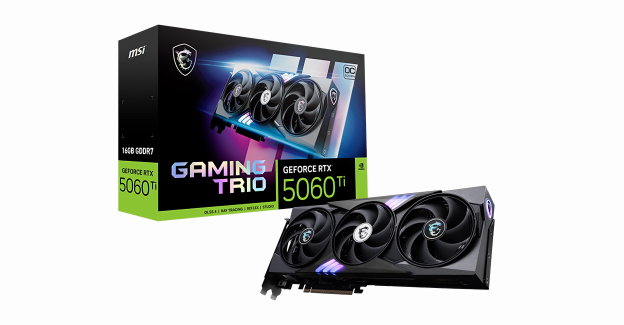
While earlier reports from Wccftech said NVIDIA was reshuffling RTX 50 series supply toward 8GB GeForce RTX 5060 and 5060 Ti models amid memory shortages, the impact now appears to be spreading across Taiwan’s major graphics card makers. According to Commercial Times, MSI has already moved to raise prices on NVIDIA’s RTX 50 lineup, as ASUS and Gigabyte are expected to roll out similar adjustments by the end of the month.
Commercial Times, citing channel sources, notes that major Taiwanese graphics card makers raised prices on AMD-based cards about a week ago. Rising GDDR6 and GDDR7 memory prices used in graphics cards are prompting AMD and NVIDIA to raise GPU supply prices, with both vendors recently notifying their board partners of upcoming increases, the report adds.
Industry sources told Commercial Times the increases range from 10-15% depending on VRAM specs. However, AMD and NVIDIA haven’t adjusted official MSRPs (Manufacturer’s Suggested Retail Price)—leaving pricing decisions to their board partners, the report notes.
Commercial Times points out that over the past two weeks, spot-market prices for AMD’s RX 9000 series have jumped markedly, with channel pricing in Europe and China rising by around 10 to 18 percent. Meanwhile, NVIDIA’s RTX 50 series has seen even sharper increases, as models equipped with 16GB or more of VRAM have reportedly recorded price hikes of roughly 15 to 20 percent.
NVIDIA’s GPU Strategy amid Memory Shortage
Wccftech previously reported that NVIDIA is tilting RTX 50 series supply toward the RTX 5060 8GB, which is expected to dominate shipments, with production of the RTX 5060 Ti 8GB also set to rise. By contrast, output of higher-end models such as the RTX 5060 Ti 16GB and RTX 5070 Ti 16GB is slated for sharp cuts.
Commercial Times points to a similar shift on the ground. Based on current allocations to suppliers, RTX 5060 and RTX 5060 Ti cards equipped with 8GB of VRAM are indeed more readily available. The report notes that these models better match mainstream demand, and even after memory-driven cost increases, their retail prices remain more acceptable to consumers.
By contrast, Commercial Times reports that higher-end RTX 5080 and RTX 5090 cards with 16GB or more of VRAM account for a smaller share of total sales, though industry sources caution that ongoing memory price inflation and supply-demand imbalances could eventually pressure availability. Meanwhile, experts cited by Wccftech warn that persistent VRAM shortages and constrained memory capacity could keep GPU prices elevated through late 2027 or even early 2028.
Read more
(Photo credit: MSI)
Please note that this article cites information from Commercial Times and Wccftech.