[News] Galaxy S26 Prices in Korea Could Rise by Roughly $30–60 as Samsung Faces Soaring Component Costs
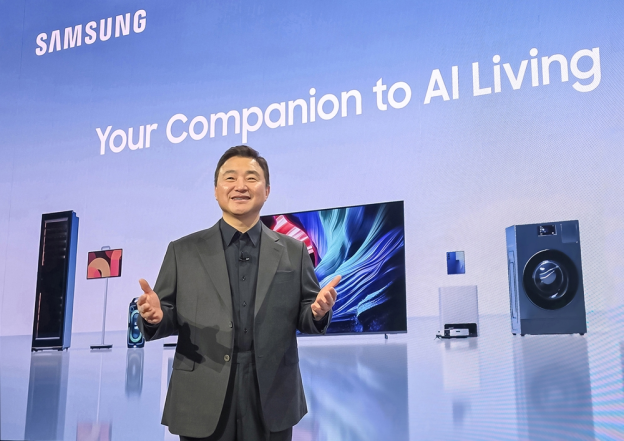
While Samsung’s CEO and Device eXperience (DX) head T.M. Roh has warned, as reported by Reuters, that no company is “immune” to the global memory chip shortage, another FN News report suggests that the company plans to raise domestic prices for its next-generation Galaxy S26 series, which will be unveiled at Galaxy Unpacked in San Francisco on February 25 and launched in March.
If confirmed, this would mark the first Galaxy S price increase since 2023, the report notes. The 256GB models are expected to see hikes ranging from 44,000 to 88,000 won (roughly $30-60), depending on the variant.
Based on last year’s Galaxy S25 pricing—1,155,000 won for the base, 1,353,000 won for the Plus, and 1,698,400 won for the Ultra—FN News notes that the Galaxy S26 Ultra is expected to carry a hefty price tag, potentially approaching 1.8 million won.
However, FN News also suggests that to boost global sales, Samsung is reportedly considering keeping overseas launch prices unchanged. The Galaxy S26 could debut in the U.S. at $799.99 (base), $999.99 (Plus), and $1,299.99 (Ultra), meaning some models may sell for less than in Korea, the report adds.
The Real Culprit: Soaring Component Costs
Media reports point to surging component costs as the key driver. The Korea Times says Samsung had planned to gain a pricing edge on the Galaxy S26 by using its in-house Exynos 2600 chip, but a sharper-than-expected spike in memory prices quickly wiped out that advantage. Sedaily added that the company’s DS unit has opted to supply memory to the MX division via quarterly negotiations instead of long-term contracts, reflecting tight supply and fast-rising prices.
According to FN News, key smartphone components like DRAM and NAND flash continue to surge, accounting for a growing share of production costs. The price of 12GB LPDDR5X modules for advanced smartphones has more than doubled since early last year, the report notes.
In addition, the weak won is adding to Samsung’s cost pressures. FN News reports that the won–dollar rate has been hovering in the mid-1,400 range, above the 1998 Asian crisis average, pushing up the cost of imported components. Against this backdrop, Samsung spent a record 10.9275 trillion won on mobile APs in the second half of 2025, mostly on Qualcomm’s Snapdragon chips, the report adds.
Notably, Micron is emerging as a potential alternative memory supplier for the Galaxy S26. DealSite reported in December that Micron and Samsung maintain a tightly intertwined relationship in mobile DRAM—both competing and cooperating at the same time. According to the report, the two sides have been in talks over LPDDR5X supply for the upcoming Galaxy S26, as surging memory prices have left contracts with Samsung’s DS division and Micron still unsettled.
Read more
- [News] Samsung MX Faces Galaxy S26 Cost Pressure as Memory Division Reportedly Sticks to Quarterly Pricing
- [News] Samsung Reportedly Eyes Feb. 2026 Galaxy S26 Launch; Ultra Model May Stick With Qualcomm
(Photo credit: Samsung)
Please note that this article cites information from FN News, Reuters, the Korea Times, Sedaily and DealSite.