[News] Intel’s Two-Front Push: 18A Yields Reportedly Rise 7% Monthly, 14A Enters Definition Stage
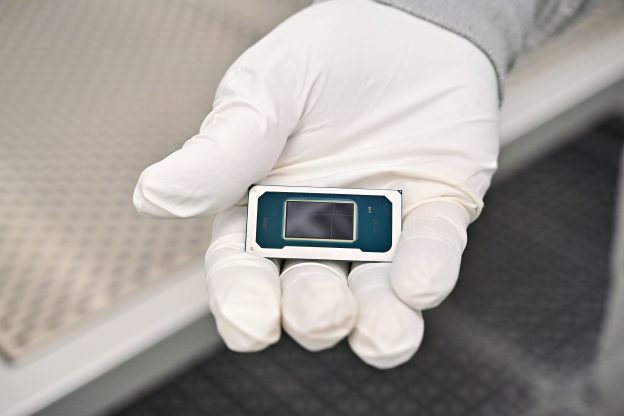
While Intel gears up to unveil its first 18A-based product, Panther Lake, at CES 2026 in early January, the company offered a progress update at this week’s RBC Capital Markets’ tech conference: 18A yields are reportedly climbing 7% per month, and 14A has already entered the definition phase.
Steady Progress for 18A Yields
According to TechPowerUp, Intel VP John Pitzer says the company’s 18A yield curve has steadily climbed over the past seven to eight months. With Panther Lake on track for timely delivery, Pitzer adds that if the 7% monthly yield gains continue, Intel could ramp Panther Lake to full-volume production without significantly raising per-unit costs, the report notes.
On the other hand, Fudzilla reports that Panther Lake will hit the premium tier in the first half of 2026, leaving Arrow Lake and Lunar Lake to fill the value segment in the meantime.
According to Wccftech, citing Pitzer, as wafers from Arizona won’t ship with a better cost structure until early next year, Intel is adjusting prices to manage tight supply—raising 10nm and 7nm Raptor Lake chips while discounting Arrow Lake and Lunar Lake to cover the lower end of the PC market, Wccftech notes. As per Wccftech, Intel’s Arrow Lake-S “Core Ultra 200S” desktop CPUs are being slashed in China, with discounts nearing 50%.
14A Moves Forward with Early Customer Engagement
In terms of 14A, which Intel aims to enter risk production in 2027, Fudzilla, citing Pitzer, suggests that the node has already entered the definition stage, and the company is engaging with potential customers far earlier than it did with 18A. That early outreach, Pitzer noted, is helping produce a more mature PDK and a development path better aligned with customer needs, according to the report.
As Fudzilla highlights, Intel’s 14A will feature second-generation gate-all-around transistors and an improved backside power delivery network.
However, as Wccftech highlights, winning customers on Intel 14A won’t come cheap. Intel will need to ramp up spending long before any revenue shows up. The report suggests that Pitzer acknowledged that as 14A traction builds, Intel Foundry’s breakeven target—currently pegged for the end of 2027—will likely slip.
Even so, Pitzer suggested most investors would accept the delay, seeing it as tangible proof that Intel can finally stand up a real external foundry business, the report adds.
Read more
- [News] Intel 18A Yield Reportedly Just 10% at Risk Production, Casting Doubt on Panther Lake Plans
- [News] Intel 18A Faces Setback as Customers Withdraw After Trial Production
(Photo credit: Intel)
Please note that this article cites information from TechPowerUp, Fudzilla and Wccftech.