[News] Samsung Reportedly Restarts Taylor Equipment Orders, Appoints New Head to Lead Operations
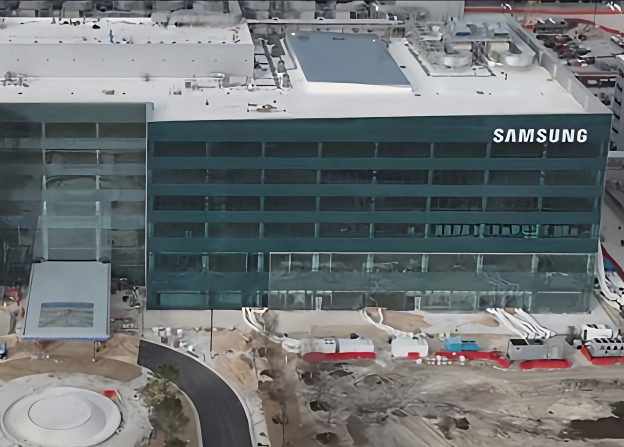
After securing the $17 billion Tesla deal—a potential game-changer for its chip business, Samsung is reportedly restarting investment in its foundry facility in Taylor, Texas. According to etnews, the massive order came as a trigger for the company, with equipment investments estimated at roughly 4 trillion won.
Notably, as the report suggests, Samsung has appointed new leadership to directly oversee the Taylor foundry, shifting control from its Austin subsidiary as full-scale operations near. On the other hand, engineers are set to deploy in two waves—September and November—to install the foundry line, with equipment orders already underway, the report adds.
As ZDNet reported, Samsung Electronics is ramping up its second-generation 2-nanometer (SF2P) process, with global tech giant Tesla and domestic AI semiconductor fabless companies set to adopt the node in the second half of this year, paving the way for full-scale development and yield improvements in 2026.
Taylor Plan in Detail
Etnews reports that Samsung’s Taylor facility currently has a single building with one cleanroom. In the first phase, a 2nm line will reportedly be set up within that cleanroom, with monthly output expected to reach 16,000–17,000 12-inch wafers by the end of next year.
According to experts cited by the report, stabilizing a 3nm process usually takes around 10 months, with the 2nm line expected to require about an additional month. As a result, full-scale production at Taylor is anticipated by late 2026 or early 2027, with Tesla’s AI chips potentially entering mass production around the same timeframe.
SEDaily previously reported that Samsung’s Taylor investment could top USD 50 billion, as the company considers reviving a KRW 10 trillion (about USD 7.7 billion) packaging facility previously excluded from its U.S. plans. Originally set at USD 44 billion and later cut to USD 37 billion, the Taylor plant’s investment has grown in urgency following Samsung’s billion-chip deal with Tesla, since both production and packaging must be completed in the U.S. to avoid tariffs, the report suggests.
TrendForce observes that Samsung and Tesla have finalized the long-anticipated partnership to strengthen U.S.-based manufacturing and ensure adequate capacity support. However, as the typical timeline from design to mass production takes at least 1-2 years, the deal is unlikely to contribute significantly to short-term revenue. With 2nm production yet to begin at scale, Samsung’s future performance remains worth watching closely.
Read more
- [News] Samsung May Boost Taylor Investment Beyond $50B, Poised to Be 2nd-Largest Foundry in the U.S.
- [News] Samsung Reportedly Mulls Taylor Expansion, Advanced Packaging in Sight After Tesla Deal
- [News] Tesla Taps Samsung for A16 Chips—Reportedly Set for Supercomputer and Robots, Not Cars
(Photo credit: Samsung)