[News] China’s Rare Earth Gamble: Why Export Controls Might Ultimately Lose its Edge
During the heated U.S.-China tariff battle in April, China wielded rare earths as a weapon by halting exports. According to a Liberty Times report citing The Economist, while the move seemed effective, it will likely “backfire” in the long run, as China’s export controls in recent years have pushed other countries to reduce reliance on China and seek alternatives.
The report explains that China’s dominance in rare earths is not due to exclusive control over global deposits. It adds that less than half of the world’s known reserves are located in China. Notably, the report further points out that refining rare earths is a labor-intensive and polluting process, but far less technologically complex than advanced chipmaking. As a result, China’s hold on rare earths is not as firm as the West’s dominance in cutting-edge chips and is easier to circumvent.
In fact, until the 1980s, the U.S. was the leading supplier of these minerals. China’s dominance emerged because it was more willing to bear the environmental costs, the report notes.
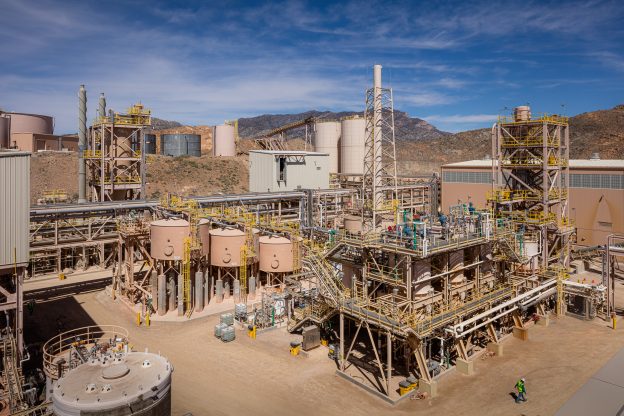
In response to China’s grip on rare earth supply, the U.S. is stepping up investment to boost its domestic supply, and in July, the Department of Defense reached an agreement with MP Materials that will make it the company’s largest shareholder, according to Reuters. As part of its push to reduce reliance on China, Washington has also introduced a higher pricing system to encourage domestic investment.
Reuters adds that Apple has also signed a USD 500 million deal with MP Materials for rare earth magnets. As The Economist points out, a total of 22 new mining projects are expected to be operational by 2030.
The Economist notes that China’s rare earth export curbs have already accelerated the search for alternatives, with European automakers BMW and Renault offering EVs with rare-earth-free motors. Similarly, according to a Central News Agency report citing Nikkei, Japanese companies have been working to cut reliance on Chinese rare earths. Shin-Etsu Chemical has developed technology to extract and refine rare earths from scrap and waste magnets, while Daido Steel has created magnets free of heavy rare earths, which have been used in Honda’s hybrid vehicles since 2016.
Read more
- [News] U.S. Backs MP Materials With Price Guarantees to Curb China’s Rare Earth Grip; Apple Locks In Supply
- [Insights] China’s Rare Earth Export Restrictions Sound Alarm for Global Tech Industry
(Photo credit: MP Materials)
Please note that this article cites information from Liberty Times, The Economist, Reuters, Central News Agency, and Nikkei.