[News] Micron Reportedly Expects Future Autonomous Cars to Require 300GB+ DRAM, Cautious on HBF Outlook
Following strong Q2 earnings, Micron pointed to autonomous vehicles as a potential future growth driver for memory demand. According to The Register, the company noted that future autonomous cars may require 300GB or more of DRAM, with robots expected to need similar amounts.
As the report indicates, Micron CEO Sanjay Mehrotra said that as automakers introduce more geofenced Level 4 vehicles, memory BOM per vehicle could rise from about 16GB to over 300GB, driving robust long-term growth in automotive memory demand. Regarding robotics, Mehrotra added that robots may require a compute platform comparable to that of a high-end L4-capable vehicle, implying around 300GB of DRAM along with substantial solid-state storage.
To put this in context, L4 represents a high level of driving automation. As noted by Tom’s Hardware, vehicle autonomy is classified into six levels, starting from L0 with no driving automation, while L4 systems require little to no human intervention for tasks such as overtaking or navigating busy intersections. The report also notes that NVIDIA has partnered with Chinese automakers BYD and Geely, as well as Japanese brands Isuzu and Nissan to adopt its Drive Hyperion platform, the company’s end-to-end autonomous vehicle solution designed to deliver L4 capabilities to car manufacturers.
Micron said it is preparing to produce what it describes as the industry’s first automotive-grade 1γ LPDDR5 DRAM to serve this market, PC Gamer adds. Still, as noted by Tom’s Hardware, widespread adoption may take time, as vehicles with these capabilities remain expensive and regulations have yet to fully catch up with L4 autonomy. However, if such vehicles gain traction, memory chip makers will need sufficient capacity to meet the surge in demand.
Micron on HBF Outlook
Beyond predicting that autonomous vehicles could significantly boost memory demand, Micron CEO Sanjay Mehrotra also addressed the outlook for HBF. As noted by The Register, he said the technology offers certain advantages, such as capacity, but also shares NAND-like limitations, including constraints in write speed, power consumption, and data retention. He added that while HBF could be suitable for some workloads, it remains at an early stage, and deeper engagement with customers is needed to better understand its business value. In the meantime, Micron will continue to evaluate the technology.
Read more
- [News] While DDR5 Margins Reportedly Surpass HBM: What’s Next for Memory Giants?
- [News] Micron Ramps FY26 Capex to $25B, Signs First 5-Year Customer Deal
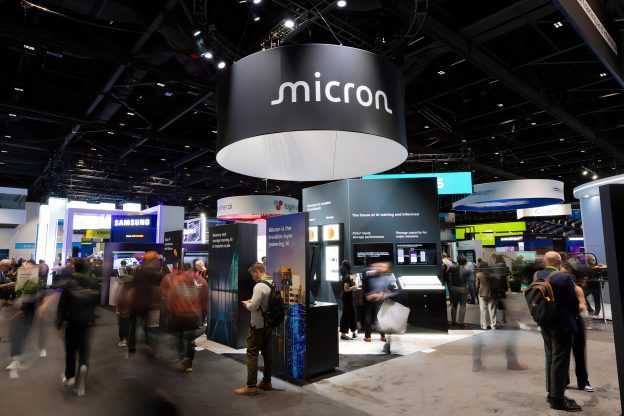
(Photo credit: Micron)