[News] MLCC Giant Murata Reportedly to Decouple China Rare Earth Supply in 3 Years as Risks Rise
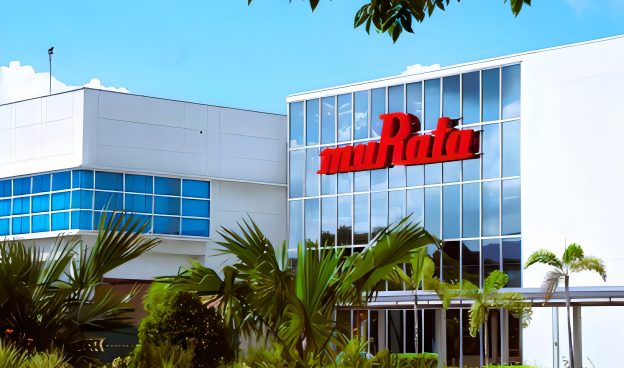
Amid rising geopolitical uncertainty, Japan’s leading MLCC supplier is reportedly moving to decouple its rare earth supply chains between the U.S. and China. According to Financial Times, Apple supplier Murata Manufacturing plans to separate its China-based rare earth operations from the rest of its business over the next three years to mitigate geopolitical risks. Murata accounts for about 40% of global multilayer ceramic capacitor (MLCC) supply—components that regulate electrical flow in devices ranging from iPhones to data centers, the Financial Times adds.
As part of this effort, according to Nikkei, the company said it is evaluating rare earth materials sourced outside China, although a full replacement of Chinese-origin supply may not be feasible. The process involves assessing mining sources, verifying refining processes, and securing customer approval for products made with these materials. The initiative is expected to take around three years, though the company is working to accelerate progress.
Murata’s efforts have been underway for some time. As the Financial Times notes, since Norio Nakajima became president in 2020, the company has been building two separate supply chains centered on the U.S. and China amid rising tensions.
The report also notes that uncertainty around China’s rare earth supply is rising. The Financial Times notes that China said in January it would ban exports of “dual-use” goods—including critical minerals and rare earths—for military purposes in Japan, and last month imposed export restrictions on dozens of leading Japanese companies.
Beyond Murata, Japan is accelerating efforts to secure critical material supply chains. According to Nikkei, sources say the Japanese and U.S. governments are set to agree on joint development of rare earths, lithium, and copper at a summit held in Washington. Japanese trading houses Mitsui & Co. and Mitsubishi Materials are expected to participate in U.S. projects. The initiative aims to reduce reliance on China for low-cost critical minerals and strengthen supply chain resilience.
China Revenue Declines; Competition Intensifies
Meanwhile, Murata is seeing its China market shrink as customers shift production out of the country. The Financial Times notes that China accounted for nearly 48% of Murata’s revenue in the fiscal year ending March, partly due to the large volume of iPhones still manufactured there, down from about 60% in 2021.
The company is also facing rising competition from Chinese rivals. According to the Financial Times, Nakajima said Murata—which also produces sensors and batteries for data centers, including for NVIDIA—is under pressure as Chinese competitors close the technology gap. He added that while Murata still leads the high-end MLCC market, that position could come under threat in the coming years, partly due to the poaching of engineers from Japan and South Korea. For now, as the Financial Times notes, Nakajima estimates Murata maintains a technological lead of about 10 years over its Chinese rivals.
Read more
- [News] MLCC Giant Murata Reportedly Confirms April 1 Price Hike on Key Components
- [Insights] China’s Rare Earth Export Restrictions Sound Alarm for Global Tech Industry
(Photo credit: Murata)