Popular Keywords



About TrendForce News
TrendForce News operates independently from our research team, curating key semiconductor and tech updates to support timely, informed decisions.
[News] Texas Instruments Reportedly Set to Raise Prices Again from April 1, Hikes Could Reach 85%
Memory isn’t the only segment seeing sharp price increases amid AI-driven supply constraints. Ijiwei, citing a client notice, reports that Texas Instruments (TI) is set to implement a new round of price hikes starting April 1, with adjustments ranging up to 85%.
The report notes that the new pricing has already been set in the company’s internal system and is expected to apply to both direct customers and purchases through distribution channels. Certain distributors cited by ijiwei indicated that the hikes could range from 15% to 85%, covering TI’s key products such as digital isolators and power management ICs, depending on the device and product series.
Insiders cited by the report also revealed that TI’s sales teams have begun preparing notifications for select distributor clients, with emails containing updated pricing expected to be sent in early March.
As highlighted by ijiwei, the strong demand from AI servers, electric vehicles, and industrial equipment continues to support the analog and power management chip market. Any price changes by a major supplier like TI could thus have immediate ripple effects on distribution and spot markets, the report adds.
As previously reported by ijiwei, the analog IC giant had introduced its largest-ever price hike for Chinese customers back in last August, raising prices by 10% to 30% on more than 60,000 products.
Infineon Joins TI with Price Hikes from April 1
Texas Instruments isn’t the only supplier raising prices. Infineon, another leader in power management ICs, will also implement price increases starting April 1, according to a client notice reported by EE Times China. The hike will cover power switches and related IC products, with mainstream items expected to rise 5%–15%, while high-end offerings face even steeper adjustments, as per EE Times China.
According to the report, the hikes are expected to ripple through the industry chain, directly raising production costs in core PCB downstream applications. Infineon cited two main reasons for the price adjustment: the surge in demand from large-scale AI data center deployments, which has created structural shortages in power semiconductors; and rising costs for fab expansions, raw materials, and energy, which internal efficiency gains can no longer fully offset.
Read more
- [News] Texas Instruments Reportedly Launches Largest-Ever China Price Hike: 60K Products Up 10%–30%
- [News] China Opens Analog Chip Dumping Probe Against TI, Broadcom and Others Over 300% Margin
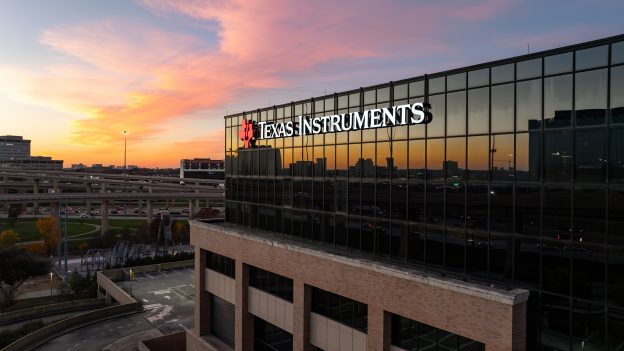
(Photo credit: Texas Instruments)
Please note that this article cites information from Ijiwei and EE Times China.