Popular Keywords



About TrendForce News
TrendForce News operates independently from our research team, curating key semiconductor and tech updates to support timely, informed decisions.
[Insights] The AI Memory Squeeze: Why Japan’s Consumer Electronics Face a New Reality
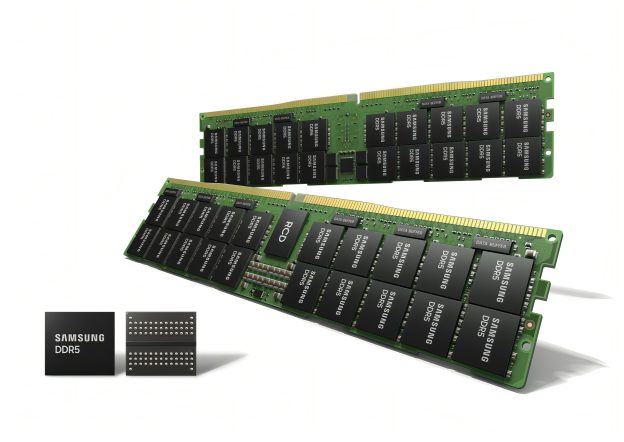
Amid rapidly rising demand for AI servers, global memory capacity allocation is undergoing a clear shift, with Japan’s consumer electronics industry reportedly feeling the impact. According to Gu Chuan’s column in TechNews, memory suppliers such as Samsung Electronics and SK hynix are prioritizing AI and cloud customers, leaving Japanese televisions, PCs, and mid- to low-end home appliances facing component shortages and mounting cost pressures.
This pressure is becoming increasingly visible in cost structures. According to TrendForce, DRAM made up just 2.5–3% of a TV’s BOM cost before the recent price rise. Since then, this share has rapidly increased to 6–7%, putting considerable pressure on brand profitability. Smaller brands with less scale and resources are likely to bear a heavier burden.
Japan’s Consumer Electronics Sector Faces Structural Headwinds
The memory industry has long been cyclical, with sharp swings in prices and supply common. However, as TechNews highlights, this round of tightness differs in that demand for HBM used in AI applications is not a short-term spike. Instead, it is closely tied to the computing power race and expanding model sizes, giving it mid- to long-term durability. For Japanese consumer electronics makers, this suggests the traditional strategy of waiting for prices to ease may no longer be viable.
Most Japanese consumer electronics companies lack the scale to compete with major cloud providers in aggressive bidding and are also less inclined to engage in heavy inventory stockpiling. This supply model, long built on trust and stable relationships, has become a structural disadvantage under the current conditions of severe supply-demand imbalance, TechNews notes.
For volume-driven products such as televisions and home appliances, this margin compression is especially pronounced. TechNews notes that Japanese brands such as Sony, Panasonic, and Sharp have in recent years gradually adjusted their product portfolios to focus on higher value-added segments in order to avoid low-price competition. However, the sharp rise in memory costs means that even mid- to high-end products are finding it difficult to fully insulate themselves from the impact.
A Structural Shift with Lasting Impact
This latest wave of memory tightness is reshaping power dynamics within the supply chain. In the past, Japan’s consumer electronics industry maintained influence through long-term orders, stable demand, and strict quality standards. But as AI and cloud customers become the primary profit drivers, suppliers are prioritizing buyers with stronger pricing power and faster demand growth.
This structural shift may carry longer-term consequences than price increases alone. TechNews also notes that key Japanese industries such as automotive electronics and industrial control equipment depend on memory products and face lengthy certification cycles, making it more difficult to switch suppliers quickly. If memory supply remains tight, the impact could extend beyond consumer electronics, creating ripple effects across related sectors.
Read more
- Surging Memory, Panel, and Precious Metal Prices Weigh on TV Brand Profitability; 2026 Global Shipments Face Further Downward Revision, Says TrendForce
- [News] Samsung Readies New Price Hikes: Consumer DRAM, SSD Reportedly Doubled, NAND Set for 50%+ Rise
(Photo credit: Samsung)
Please note that this article cites information from TechNews.