Popular Keywords



About TrendForce News
TrendForce News operates independently from our research team, curating key semiconductor and tech updates to support timely, informed decisions.
[News] Taiwan’s UMC Reportedly Presses Suppliers for 15% Cost Reduction Before 2026 Mature-Node Deal Talks
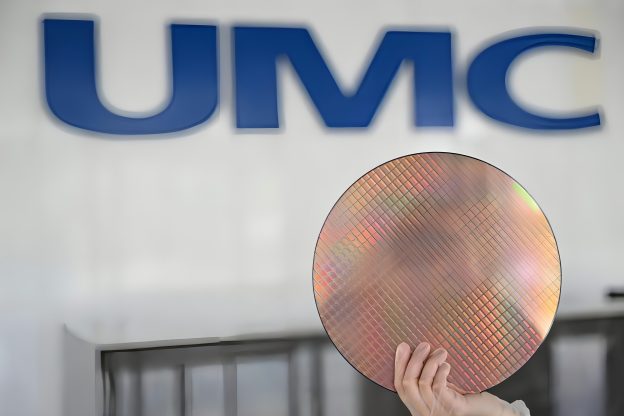
As price negotiations for mature-node foundry services enter a critical stage, Taiwan’s foundries have reportedly moved early to adapt to market shifts by pressing upstream suppliers for price cuts. According to Commercial Times, both Taiwan’s second-largest foundry UMC and TSMC’s affiliate VIS face pressure in negotiating 2026 pricing agreements with customers, with sources saying UMC took the lead by asking suppliers to propose at least a 15% reduction starting that year.
As the report points out, citing industry sources, UMC’s 15% cost-reduction request will cover various supply segments, including chemicals, specialty gases, substrate materials, consumables, and maintenance services. Some material suppliers are reportedly considering offering phased discounts in exchange for two- to three-year contracts and minimum purchase commitments.
Industry sources cited by the report interpret this move as an effort by UMC to gain cost flexibility from upstream suppliers before negotiating prices with downstream clients, aiming to preserve its average selling price (ASP) and cash flow.
Mature-Node Price War Tests Taiwan’s Foundry Strategies
On the client side, the report points out that IC design companies remain cautious about 2026 demand for mature-node processes. This has weakened foundries’ bargaining power and reduced order visibility. The report adds that with mature-node capacity in China and Southeast Asia expanding and drawing away low- to mid-end chip orders, pricing strategy and customer retention will be critical for Taiwanese foundries over the next two years.
Facing the ongoing price war, the report notes, citing industry sources, that UMC is focusing on specialty processes to strengthen differentiation while maintaining utilization through modest discounts tied to long-term contracts. As Economic Daily News notes, UMC’s main production still centers on the 22/28 nm nodes. Looking ahead, the report highlights that the ramp-up of 55 nm BCD production, along with shipment trends in automotive and industrial power management ICs, will impact its utilization rates and ASPs.
Meanwhile, VIS is leveraging stable demand in automotive, power management IC, and MCU applications, along with high yields and localized services, to pursue joint development and validation with Taiwanese design houses, as Commercial Times notes.
The pricing battle for mature nodes in 2026 will test foundries in three key areas: defending price floors without eroding profit margins; securing two- to three-year contracts with stable terms to enhance order visibility and production flexibility; and strengthening ties with core clients through value-added services such as design support, integrated testing, and co-development, according to Commercial Times.
Read more
(Photo credit: UMC)
Please note that this article cites information from Commercial Times and Economic Daily News.