Popular Keywords



About TrendForce News
TrendForce News operates independently from our research team, curating key semiconductor and tech updates to support timely, informed decisions.
[News] Western Digital Reportedly Bets $1B on Japan R&D to Power Next-Gen HDDs for AI
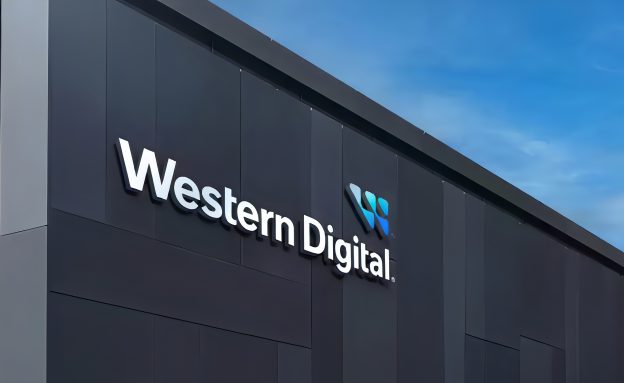
With AI driving unprecedented demand for data storage, Western Digital, the world’s largest hard-disk drive (HDD) maker, has announced plans to invest $1 billion in Japan over the next five years, according to Nikkei. CEO Irving Tan, as cited by the outlet, said the investment is aimed at “driving the next generation of innovation,” with funds directed toward developing advanced technologies and production techniques to enhance HDD performance.
The report adds that the HDD industry is locked in a race to develop larger capacities. Western Digital is advancing heat-assisted magnetic recording (HAMR) technology, which it aims to use to boost drive capacity to 100 terabytes, up from the 32-terabyte products it currently ships.
Western Digital chooses Japan as a key base for this strategy. Tan noted that the country is one of the company’s largest R&D hubs, with 40% of its global procurement sourced there and spending on local partners reaching $1.5 billion in fiscal 2025, as cited by Nikkei.
The investment comes amid accelerating demand for data center storage, fueled by the spread of generative AI, the report notes. It highlights that the company’s data center-focused division accounted for 90% of total revenue in the April–June quarter, underscoring a clear shift away from PC-related sales.
HDD Supply Strained by AI Demand
The report points out that as the volume of data needed to train and operate AI continues to expand, HDDs—valued for their storage capacity—maintain a competitive edge in data centers. Tan added that about 80% of data stored in data centers remains on HDDs, emphasizing that hard drives will continue to dominate as the primary storage medium for the foreseeable future.
Last month, Western Digital notified customers that, in response to unprecedented storage demand, it will begin gradually raising prices on all HDD products effective immediately and extend delivery lead times, according to TechNews.
Meanwhile, according to TrendForce, HDD shortages and longer lead times have already prompted cloud service providers to redirect storage demand toward enterprise SSDs, particularly QLC products. This shift has introduced volatility into the market, with NAND Flash contract prices across all categories expected to rise by 5–10% in 4Q25.
Read more
- [News] Western Digital Raises HDD Prices Amid Soaring Demand, Shipping Delays of Up to 10 Weeks
- NAND Flash Prices to Rise 5–10% in 4Q25, Driven by Spillover Demand for QLC Products, Says TrendForce
(Photo credit: Western Digital)