[News] PC Brands Expand Chinese Memory Adoption Amid Rising Costs; Asus, MSI, and Acer Reportedly Join Trend
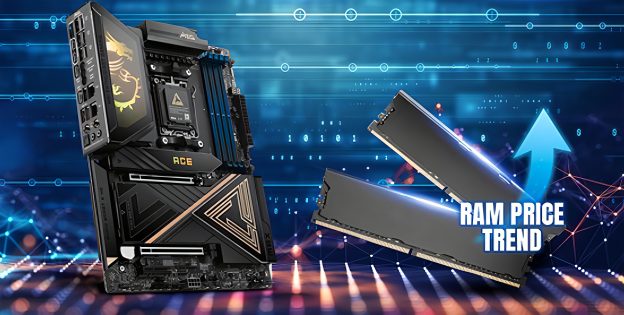
Rising memory and storage costs are driving PC brands to explore lower-cost component suppliers. According to Commercial Times, soaring prices for key components such as memory and SSDs have made Chinese suppliers an increasingly attractive option for PC brands looking to reduce costs. Beyond Lenovo’s expanded adoption, Taiwanese brands including Asus, MSI, GIGABYTE, and Acer are accelerating the certification, adoption, or platform optimization of Chinese memory and storage products as these products gradually penetrate the PC supply chain.
As the report notes, Lenovo has expanded its adoption of Chinese memory and other components since 2026. More recently, flagship notebooks equipped with SSDs from Chinese suppliers have appeared on North American e-commerce platforms, targeting the mainstream US$1,000 notebook segment, which the report says has become increasingly underserved amid rising component costs.
Broader Adoption Among Taiwanese PC Brands
Chinese memory products are gaining broader adoption among Taiwanese PC brands. As Commercial Times highlights, MSI recently announced that it had completed platform optimization for memory chips from China’s leading memory supplier on AMD motherboards using commercially available memory modules from KingBank and Lexar. The company also became the first motherboard brand to publicly validate DDR5-8000+ operation on AMD platforms using DDR5 chips from the Chinese supplier.
The broader trend is also reflected at Asus. Commercial Times notes that the company is expanding support for Chinese memory vendors. This year, Asus launched its SK hynix-based ROG ARCANA DDR5 memory while expanding its ROG Certified memory program through partnerships with module vendors, including Chinese companies BIWIN, Asgard, and Lexar.
The report also notes that Acer previously introduced BIWIN-manufactured memory modules under its own brand and Predator gaming lineup. Even so, higher-end notebook models from Asus and Acer still rarely use memory or storage components based on chips supplied by Chinese manufacturers, the report says.
Looking ahead, Commercial Times says supply-demand imbalances and rising component prices are expected to persist in the near term, prompting close attention to whether brands will further expand the certification and adoption of components from Chinese suppliers. At the same time, Taiwanese brands caution that Chinese suppliers still face limited production capacity. As a result, South Korean memory makers are expected to remain the primary suppliers for brands with long-term supply agreements.
Meanwhile, Global Economic News notes that the growing presence of Chinese memory products in the high-performance mainstream market could put pressure on the profitability of South Korea’s memory industry. As Chinese suppliers with established mass-production capabilities expand shipments, the report says PC makers and global OEMs are likely to gain greater pricing leverage, weighing on spot prices.
Read more
- AI Server Demand Continues to Support Memory Prices in 3Q26, but Gains Moderate as Consumer Demand Weakens and High Base Effects Take Hold, Says TrendForce
- [News] SK hynix Reportedly Removes Price Cap in Memory Long-Term Agreements, Diverging from Micron
(Photo credit: MSI)