[News] South Korean Industrial Power Rates Reportedly Soar 75% 2021-25, Squeezing Chip and Display Sectors
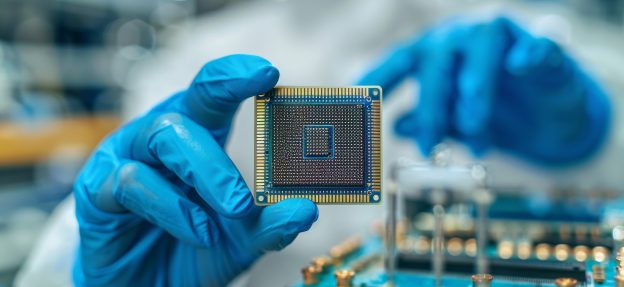
South Korea’s tech industry, a global leader in semiconductors and displays, is under growing pressure as electricity costs soar. According to FnNews, citing a report released on the 11th by the Korea Chamber of Commerce and Industry’s (KCCI) Sustainable Growth Initiative (SGI), industrial power rates have surged 75 percent—from 102.4 won per kWh in early 2021 to 179.2 won in the first half of 2025. The report warns that this sharp rise in energy costs over the past five years has significantly increased production burdens, undermining profitability and export competitiveness in advanced tech industries.
As the report indicates, electricity demand—driven by the rapid expansion of AI data centers and electric vehicles—is outpacing supply, putting additional pressure on power rates. It adds that sectors such as semiconductors and displays are expected to face the heaviest production cost burdens as electricity prices continue to climb.
Power Supply Strain as Electricity Demand Surges
South Korea’s domestic power consumption has risen by an average of about 1.7 percent annually since 2010 and is expected to grow by roughly 2 percent per year from 2024 to 2038, FnNews says, citing the government’s 11th Basic Plan for Long-Term Electricity Supply and Demand released in March.
As FnNews highlights, the KCCI noted that if supply fails to keep pace with demand, a 2 percent increase in electricity demand could lead to an additional 0.8 percentage point rise in power prices beyond general inflation, while the resulting production burden could reduce GDP by 0.01 percent.
Carbon Targets Add to Power Cost Pressures
In addition, FnNews notes that the South Korean government’s decision to raise its 2035 Nationally Determined Contribution (NDC) carbon reduction targets without expanding nuclear power generation has become another factor behind mounting electricity price pressures.
Under the 2035 NDC, the government plans to increase the paid allocation ratio of carbon emission permits in the power sector from 10 percent to 50 percent by 2030, the report from FnNews says. It also highlights that the power and transportation (automotive) sectors must cut greenhouse gas emissions by 7.97 percent annually, a structure expected to drive up electricity prices.
However, Yonhap News notes that industries at high risk of carbon leakage—such as semiconductors, displays, secondary batteries, steel, non-ferrous metals, and oil refining—will continue to receive full (100%) free allocations of emission rights due to their high export ratios and the risk of relocating production overseas if domestic greenhouse gas regulations are tightened.
Read more
- [News] South Korea Posts Record July Chip Exports, Up 31.6% YoY on HBM and DDR5 Demand
- [News] Samsung Reportedly to Deliver HBM4 Samples to NVIDIA This Month, Eyes Early-2026 Validation
(Photo credit: FREEPIK)
Please note that this article cites information from FnNews and Yonhap News.