[News] China Accelerates AI Chip Independence Drive, Reportedly Aiming 70% Self-Sufficiency by 2027
With Washington granting export clearance for NVIDIA’s H20, China is accelerating its AI chip self-sufficiency drive. Nikkei reports that major municipalities are rolling out aggressive targets: Shanghai is pushing for 70% of data center chips to be domestically designed or produced by 2027, while Beijing is going further—aiming for full independence by the same year.
On the other hand, according to Nikkei, Guiyang—home to major data centers including Apple’s—demands that 90% of chips in new facilities come from Chinese suppliers.
Nikkei suggests that for now, China is increasingly turning to local AI platforms like DeepSeek, Alibaba, and Baidu, yet the country’s hardware backbone remains heavily dependent on NVIDIA. With the U.S. chipmaker’s H20 back in the Chinese market, TrendForce has lifted its estimate of China’s procurement ratio for foreign AI chips (mainly from NVIDIA and AMD) to 49%, up from previously projected 42%.
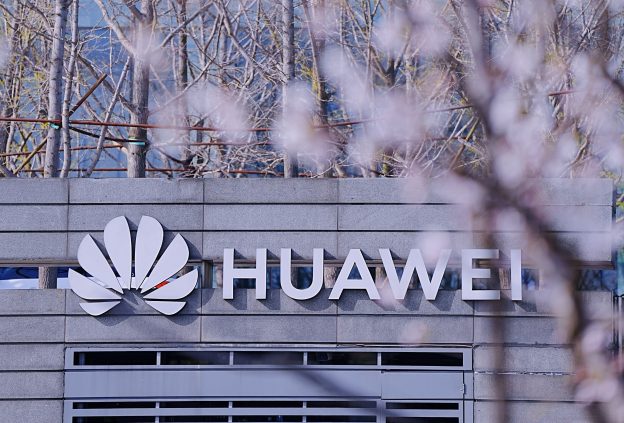
However, the scenario might be gradually changing, as Nikkei, citing local media reports, notes that Huawei’s Ascend 910B delivers about 85% of H20 performance, while the upcoming 920 is expected to close the gap.
As AJP News Agency reported back in April, Huawei’s Ascend 920 is expected to begin production as early as the second half of this year. Built on SMIC’s 6nm process, the next-gen chip is expected to deliver more than 40% performance gains over its predecessor, the report adds.
Beyond Huawei, domestic players in China like Cambricon Technologies and Baidu’s Kunlun unit are ramping up AI chip development. As noted by The Paper, Cambricon’s core client roster is also notable: it provides cloud AI chips for ByteDance, intelligent inspection systems for the State Grid, and edge computing nodes for China Mobile.
However, though Chinese regulators have reportedly instructed domestic firms to avoid NVIDIA’s H20, reducing reliance on U.S. chips remains challenging. According to Financial Times, DeepSeek has delayed releasing its new model, R2, reportedly due to unsuccessful attempts to train it on Huawei’s chips—highlighting the limits of Beijing’s drive to replace U.S. technology.
Read more
- [News] DeepSeek R2 Model Launch Reportedly Delayed Amid Huawei Ascend Chip Hurdles
- [News] China Reportedly Questions Tencent, ByteDance on Buying NVIDIA H20 Instead of Domestic Chips
(Photo credit: Huawei)
Please note that this article cites information from Nikkei, Financial Times, AJP News Agency, and The Paper.