[News] Apple Rumored to be Developing 7 In-House Chips
The iPhone 17 series, along with new Macs, Apple Watches, and other upcoming products, is set to launch in the second half of the year, marking a new phase in Apple’s in-house chip strategy. According to industry sources, Apple is reportedly developing at least seven unreleased chips, including the A19, A19 Pro, M5, M5 Pro, a new Apple Watch chip, the second-generation 5G modem chip known as C2, and a wireless communication chip called Proxima that integrates Bluetooth and Wi-Fi.
Based on industry sources, the A19 chip is expected to power the iPhone 17 Air, with the codename “Tilos.” The A19 Pro, codenamed “Thera” with a system identifier of T8150, will be used in the iPhone 17 Pro and Pro Max models. This indicates that Apple will continue its strategy of differentiating chips between standard and high-end iPhones — a move that strengthens product segmentation and reinforces Apple’s hardware differentiation advantage.
For the Mac lineup, Apple is expected to refresh its 14-inch and 16-inch MacBook Pro models after the iPhone launch, which will be fitted with the new M5 and M5 Pro chips, codenamed “Hidra” and “Sotra” respectively.
In the Apple Watch segment, the next-generation Series 11 is expected to debut with a new processor codenamed “Bora.” Sources suggest that this chip may be built on the A18 architecture, hinting at significant improvements in performance and AI capabilities, which help enhance Apple’s leadership in the wearable tech market.
Apple is also advancing its wireless communication technologies. The appearance of the Proxima chip suggests that the company plans to integrate Bluetooth and Wi-Fi functionalities into a single chip, offering clear benefits in terms of device space optimization and power efficiency.
Additionally, sources reveal a second-generation self-developed 5G modem, codenamed C2, which is expected to replace the current C1 modem used in the iPhone 16e. The C2 modem is likely to power the iPhone 17e in 2025, signaling Apple’s ongoing effort to reduce dependence on Qualcomm and strengthen its proprietary connectivity solutions.
This new round of chip development reflects Apple’s continued push for vertical integration and paves the way for enhanced performance, AI applications, and communication technology across its diverse device ecosystem. As Apple’s new products begin to launch in the second half of the year, the market is poised to witness an even more tightly integrated experience powered by Apple’s proprietary chip technologies.
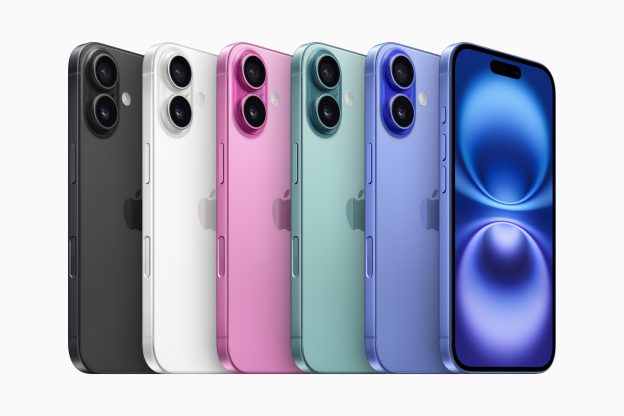
(Photo credit: Apple)