Popular Keywords



About TrendForce News
TrendForce News operates independently from our research team, curating key semiconductor and tech updates to support timely, informed decisions.
[News] Samsung Electro-Mechanics Reportedly Weighs Double-Digit MLCC Price Hike in April Amid AI Demand
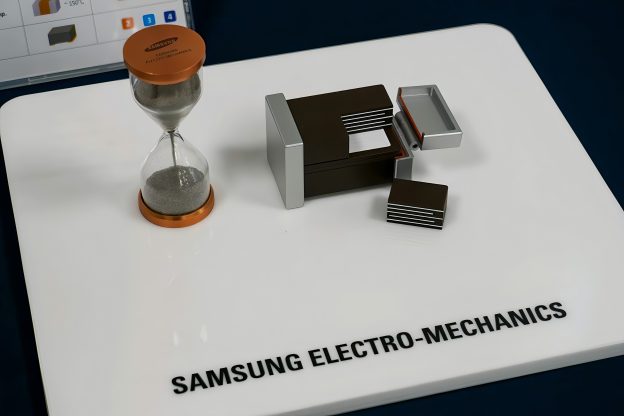
The AI-led pricing uptrend is no longer confined to memory. Power-related MLCCs, essential components in AI servers and accelerators, may also face fresh price increases. According to South Korean media outlet The Elec, Samsung Electro-Mechanics is weighing a potential price hike for its multi-layer ceramic capacitors (MLCCs).
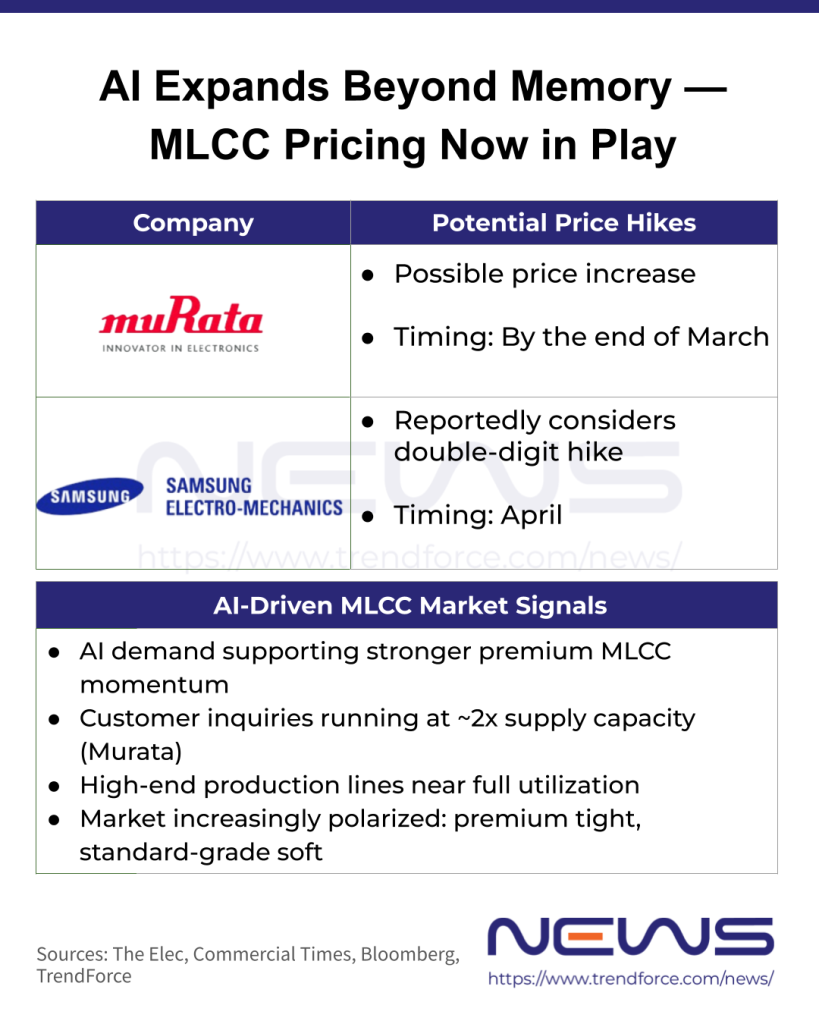
A company spokesperson, as cited in the report, said Samsung Electro-Mechanics is closely monitoring market conditions, as average MLCC selling prices are expected to rise in the second quarter, supported by stronger demand from the AI and electric vehicle sectors.
Supply chain sources further indicate that Samsung Electro-Mechanics plans to raise MLCC prices starting in April, with increases projected to reach double-digit percentages, as noted by Commercial Times.
In addition, The Elec, citing industry sources, reports that market leader Japan’s Murata Manufacturing has signaled a possible MLCC price increase in March. As reported by Bloomberg, Murata Manufacturing President Norio Nakajima said he expects robust data center investment, driven by major cloud providers, to persist for the next three to five years. He added that customer inquiries for the company’s MLCCs are currently running at roughly twice its available supply capacity.
AI Demand Strengthens Premium MLCC Segment
As reported by Korea’s Maeil Business Newspaper, MLCCs are critical components that regulate and stabilize electrical current in electronic circuits, with AI server upgrades driving structurally higher demand. Analysts cited in the report estimate that Nvidia’s VR200 NVL72 server will use around 600,000 MLCCs—more than 30% higher than the existing GB300 platform—and note that server customers rely heavily on tier-one MLCC suppliers such as Murata and Samsung Electro-Mechanics.
According to TrendForce, demand for high-end MLCCs used in AI servers and other advanced applications remains robust. Utilization rates for premium production lines are elevated, creating selective pricing leverage. However, overall MLCC capacity remains underutilized due to weak consumer demand, resulting in a polarized market structure characterized by tight supply in high-end segments and looser conditions in standard-grade products.
TrendForce adds that although certain high-end production lines are operating near full capacity, overall industry utilization rates and inventory levels remain insufficient to support a narrative of broad-based shortages. Leading suppliers such as Murata, along with other major high-end Japanese and Korean manufacturers, are largely adhering to a “profit-first” strategy. Competitive price bidding has become more disciplined to preserve overall ASP levels, indicating that the current focus is on price stabilization rather than initiating a broad-based price-up cycle.
Read more
(Photo credit: Samsung Electro-Mechanics)
Please note that this article cites information from The Elec, Commercial Times, Bloomberg, and Maeil Business Newspaper.