[News] China Maintains 2026 Device Trade-in: Up to RMB 500 Subsidy; Smartphones, Smart Glasses in Focus
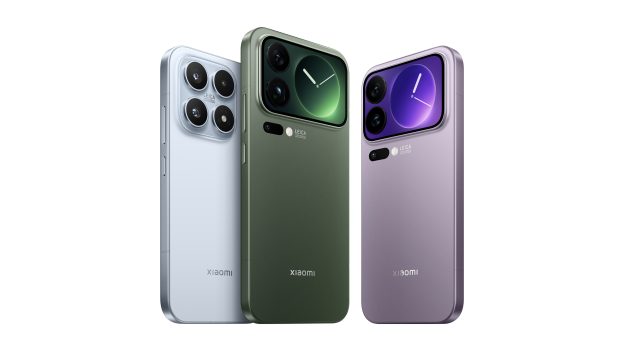
China has finalized its 2026 consumer goods trade-in policy, marking the program’s third consecutive year of supporting domestic consumption. According to Reuters and CCTV News, Beijing has set aside 62.5 billion RMB ($8.94 billion) in ultra-long-term special treasury bonds to fund the initiative, aiming to stimulate spending at a time when rising component costs — particularly memory — are starting to push up device prices.
The notice issued on December 30 by China’s National Development and Reform Commission and the Ministry of Finance states that individual consumers purchasing smartphones, tablets, smartwatches and fitness bands, or smart glasses—each priced no more than RMB 6,000—will be eligible for a subsidy equal to 15% of the product’s sale price. Each consumer can claim the subsidy for one unit per product category, with a maximum of RMB 500 per item.
The policy carries particular significance on two fronts. First, it might help mitigate the impact of rising memory prices, which are expected to put upward pressure on smartphone and device costs next year. Second, it brings smart glasses into the subsidy scheme for the first time — a move that, as noted by Calian Press, comes just as domestic brands are preparing a new wave of launches.
Subsidies and Price Pressure Spotlight China’s Smartphones
As China enters 2026, last year’s experience may provide a helpful reference for what lies ahead. According to MyDrivers, the 2025 trade-in program has already given China’s smartphone market a strong lift, with Huawei and Xiaomi both seeing sales surge in the first quarter after the subsidies took effect, and that even Apple factored the policy into its iPhone 17 launch — pricing the entry-level model at RMB 5,999 to qualify for the subsidy and help drive demand.
However, the pricing landscape is now shifting in the opposite direction, as major Chinese smartphone brands have begun signaling price hikes for their latest models, partly due to rising component costs. Jiemian News reports that new models from leading brands such as Xiaomi, OPPO, vivo, and Honor have seen price increases of RMB 100–600 since October, 2025, depending on configuration.
Notably, as highlighted by Jiemian News, the Xiaomi 17 Ultra, a flagship model released on Dec. 25, starts at RMB 6,999 — a 500-yuan increase over its predecessor. As a result, whether the renewed subsidy program in 2026 can continue to meaningfully support demand amid higher pricing remains to be seen.
Smart Glasses Get a Boost
On the other hand, as Calian Press notes, 2026 marks the first time the national subsidy program will extend to smart glasses. The report highlights that since the second half of 2025, China’s AI glasses market has been accelerating, with tech firms rolling out new models at a rapid pace.
According to the report, Xiaomi kicked off the AI glasses wave in June 2025, followed by major domestic releases—including next-gen Rokid Glasses, Baidu’s Xiaodu AI Glasses, and Alibaba’s Quark AI Glasses.
The momentum is set to continue into 2026, with new entries from tech giants on the horizon. The report points out that while ByteDance plans its first AI glasses in Q1, Google teamed up with XREAL for Project Aura and is reviving its own AI glasses project for a late-2026 launch. Meanwhile, Apple’s first smart glasses are expected to debut at WWDC 2026, as per 9to5mac.
Read more
- [News] Memory Crunch Hits Smartphones: Xiaomi Flags 2026 Price Hikes, Samsung Under Memory, AP Pressure
- [News] Memory Crunch Hits China: Xiaomi, Huawei Reportedly Tap Domestic Suppliers
(Photo credit: Xiaomi)
Please note that this article cites information from Reuters, CCTV News, Calian Press, MyDrivers, Jiemian News and 9to5mac.