Popular Keywords



About TrendForce News
TrendForce News operates independently from our research team, curating key semiconductor and tech updates to support timely, informed decisions.
[News] Xiaomi 17 Ultra Price Hike Reportedly Confirmed: Memory Crunch Forces Notable Increase
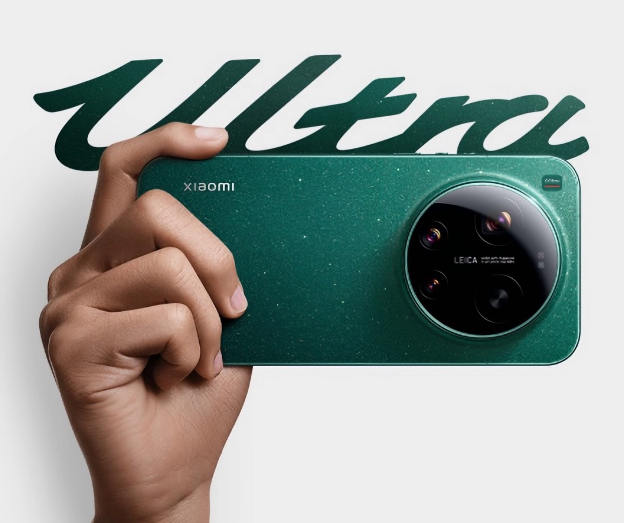
With the Christmas holidays around the corner, Xiaomi has confirmed the Xiaomi 17 Ultra will launch on December 25, Cailian Press reports. But according to Jiemian News, soaring memory prices mean the flagship will come with a notable price increase, with company president Lu Weibing emphasizing it won’t be a minor hike.
According to Jiemian, Lu described the surge in memory prices as a major headache. He, as highlighted by the report, explained that explosive AI growth over the past three years has shifted much of the memory supply toward high-performance computing.
Once the main driver of memory demand, smartphones now face tight supply due to limited new capacity, and meaningful relief may not come until late 2027, Lu added. He further warned that 2025 through 2027 will likely remain years of rising memory costs.
Jiemian points out that since October, new models from China’s major smartphone brands like Xiaomi, OPPO, vivo, and Honor, have seen price increases of RMB 100–600 depending on configuration. Coupled with Lu’s latest remarks, analysts cited by the report now anticipate the Xiaomi 17 Ultra could start at RMB 6,999, with some higher-end versions seeing hikes of over RMB 1,000.
China’s Smartphones Face Soaring Memory Costs, Tight Supply
The report notes that Lu had previously warned the Xiaomi 15 Ultra could be the last model priced at RMB 6,499—but that estimate only considered rising processor and camera costs, not memory. With memory prices now surging far beyond CPU and camera components, DRAM has emerged as one of Xiaomi’s biggest cost burdens, he reportedly said.
Notably, Xiaomi has pulled a similar move not long ago. Ijiwei reported that in October, the company hiked prices on the Redmi K90 flagship, driven in part by rising memory costs.
Tight memory supply is even pushing China’s smartphone makers to lock in long-term deals with South Korean suppliers. According to ZDNet, Oppo has reportedly proposed multi-quarter LPDDR contracts with Samsung Electronics, SK hynix, and others, guaranteeing a set supply for four to six quarters—a striking shift from the usual quarterly agreements between smartphone companies and memory makers.
Read more
- [News] Memory Crunch Hits Smartphones: Xiaomi Flags 2026 Price Hikes, Samsung Under Memory, AP Pressure
- [News] Memory Crunch Hits China: Xiaomi, Huawei Reportedly Tap Domestic Suppliers
(Photo credit: Xiaomi)
Please note that this article cites information from Jiemian News, Cailian Press, Ijiwei and ZDNet.