Popular Keywords



About TrendForce News
TrendForce News operates independently from our research team, curating key semiconductor and tech updates to support timely, informed decisions.
[News] Memory Boom in China Reportedly Spurs Opportunities for Korean Makers Hanmi, SEMES
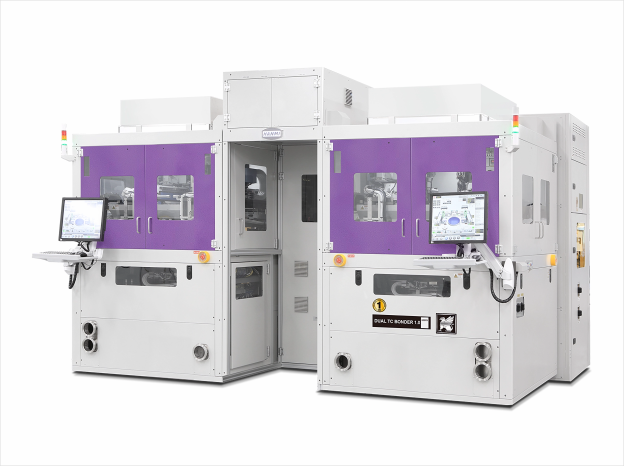
As China races toward semiconductor self-reliance, the rollout of next-generation chips is not only boosting local equipment and materials makers, but creating opportunities for South Korean firms like Hanmi Semiconductor and SEMES, New Daily reports.
Memory Boom Fuels Korean Equipment Exports to China
According to industry sources cited in the report, Hanmi Semiconductor supplied Chinese clients with TC bonders—crucial equipment for the HBM stacking process—last year. Meanwhile, SEMES is eyeing the Chinese market as well, aiming to capitalize on its domestic technology strengths in track and cleaning equipment, sectors long dominated by Japanese firms, New Daily suggests.
This trend aligns with Nikkei Asia’s report in May, which suggested that South Korea’s exports of semiconductor manufacturing equipment to China soared 42.4% to $1.4 billion in 2024, fueled by rising demand from Chinese chipmakers. An industry expert cited by the report noted that roughly half of the exports go to Chinese memory firms, while the rest supplies Samsung’s Xian and SK hynix’s Wuxi factories.
Nikkei Asia also reported that SEMES is gaining attention as another Korean supplier for Chinese chipmakers, as companies facing difficulties importing U.S. equipment increasingly turn to Japanese and Korean alternatives.
New Daily notes that China’s top chipmakers are increasingly turning to domestic equipment and speeding up production lines, leaning on local leaders like NAURA and AMEC. Yet advanced sectors—lithography, etching, cleaning, and packaging—still face a technology gap, leaving room for foreign suppliers.
Risks Remain
However, analysts cited by New Daily also warn that expanding into China does not automatically translate into improved earnings. As domestic equipment adoption rises, so do the risks of technology leaks and fiercer competition. Last year, tensions hit the industry when a group was arrested for illegally transferring SEMES’s semiconductor cleaning technology to China, the report adds.
According to Yonhap News, a former employee has been indicted for allegedly supplying 12 “spin chucks”—key components and trade secrets of SEMES’s semiconductor cleaning equipment developed in 2019—to a semiconductor parts manufacturer established by another ex-SEMES researcher.
Read more
(Photo credit: Hanmi Semiconductor)
Please note that this article cites information from New Daily, Nikkei Asia, and Yonhap News.