Popular Keywords



About TrendForce News
TrendForce News operates independently from our research team, curating key semiconductor and tech updates to support timely, informed decisions.
[News] NVIDIA, AMD Reportedly Weigh Discontinuing Mid- to-Low-End Gaming GPUs amid Rising Memory Costs
With memory prices climbing at an unprecedented pace, PC and smartphone makers are feeling the strain, and the impact may extend even further. According to NotebookCheck, citing South Korean outlet Hankyung, NVIDIA and AMD are reportedly considering phasing out mid- to low-end gaming graphics cards, where memory accounts for a significant share of the bill of materials.
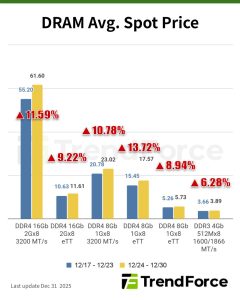
Intense demand from AI companies and datacenters has pushed consumer DDR4 and DDR5 prices to more than double from their record lows—a surge that was expected to spill over into gaming GPUs such as the RX 9000 and RTX 50 series, as indicated by NotebookCheck.
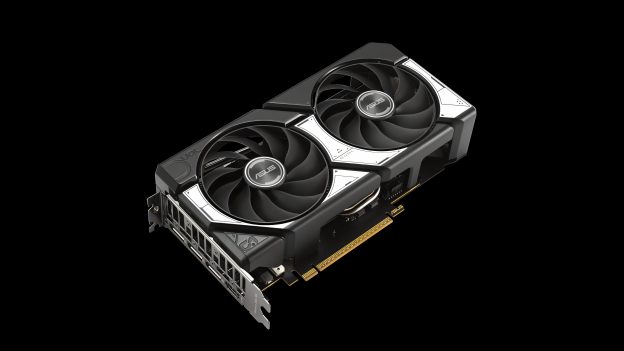
NotebookCheck also points out that budget-friendly GPUs such as the RX 9060 XT, RTX 5060, and RTX 5060 Ti may be dropped if AMD and NVIDIA cannot secure VRAM at reasonable prices. As the report suggests, this could make affordable gaming GPUs increasingly difficult for consumers to find.
The situation may be influencing product plans. Commercial Times, citing sources, indicates that NVIDIA has halted production of its RTX 50 Super-series gaming graphics cards, originally slated for launch early next year, due to the substantial increase in memory capacity required for the lineup.
Potential Price Hikes for Existing GPUs
Meanwhile, Mydrivers, citing sources, notes that existing graphics cards may also become more expensive, as rising costs have prompted AMD and NVIDIA to indicate higher VRAM procurement prices to their partners. The increases may be expected as early as Q1 2026 but could come sooner, with notifications possibly issued in January, or even as early as December this year. The extent of the price hikes will vary by model, with high-memory cards, particularly those with 24–48GB, said to face the most pressure.
Surging Memory Costs Ripple Through the Market
According to TrendForce, the memory industry has entered a strong upward pricing cycle, driving up overall system costs. This is forcing downstream brands to raise retail prices, adding pressure to the consumer market.
As DRAM and NAND Flash contract prices are expected to continue rising in 2026, TrendForce forecasts that overall BOM costs will increase by an additional 5–7%—or even more—compared with 2025. For low-end models, where profit margins are already thin, brands will likely reduce their production share and raise prices across product tiers to maintain profitability.
Read more
- Rising Memory Prices Weigh on Consumer Markets; 2026 Smartphone and Notebook Outlook Revised Downward, Says TrendForce
- [News] Memory Crunch Hits China: Xiaomi, Huawei Reportedly Tap Domestic Suppliers
(Photo credit: NVIDIA)
Please note that this article cites information from NotebookCheck, Hankyung, Commercial Times, and Mydrivers.