[News] U.S. Judge Rejects Samsung, SK hynix, Micron’s DRAM Price-Fixing Dismissal Bid, Citing Plausible Collusion
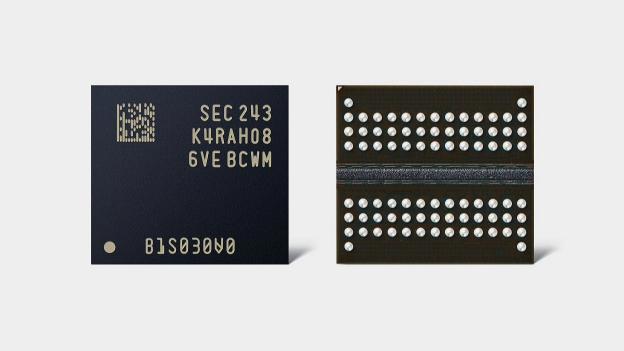
A U.S. judge has rejected a bid by Samsung Electronics, SK hynix, and Micron to dismiss a proposed class-action lawsuit alleging DRAM price-fixing. According to Tom’s Hardware, Judge Noël Wise rejected the companies’ argument that the case merely repeated an earlier antitrust lawsuit filed in 2018. As indicated in the court ruling, the new allegations were sufficient to support a plausible inference of collusion, allowing the case to proceed.
Central to the case are allegations that the three companies coordinated efforts to restrict DRAM supply. According to Tom’s Hardware, the plaintiffs, comprising 17 individuals and small businesses, point to four parallel moves: production cuts between October 2022 and April 2023, a subsequent shift toward high-bandwidth memory (HBM), plans to phase out DDR4 production announced within a three-month period, and a failure to expand capacity despite soaring prices. The plaintiffs allege that these actions contributed to a DRAM shortage that drove prices up by as much as 500% in a year.
As noted by KPI News, the court partially accepted the companies’ argument that shifting to HBM alone was insufficient to infer collusion, given its significantly higher profitability at the time. However, the court also considered other alleged measures, including long-term HBM supply contracts, Samsung’s and SK hynix’s refusals to sign long-term agreements with major conventional DRAM customers, and Micron’s discontinuation of its Crucial consumer brand. These actions may support a plausible inference of prior coordination, KPI News reports.
The companies also argued that their DDR4 phaseouts reflected independent decisions to transition to DDR5. However, the court noted that all three announced their exits within the same quarter while DDR4 remained widely used. Allegations that they introduced nearly identical customer screening questions in January 2026 further supported the inference of coordination, KPI News adds.
Meanwhile, the ruling does not establish wrongdoing, and the lawsuit remains in its early stages, with no specific damages sought in the complaint. According to Global Economic News, the defendants must respond by December 7, 2026, with an initial case management conference scheduled for January 12, 2027, to determine the next steps and scope of discovery.
DRAM Lawsuit Could Put Memory Supply Strategies Under Greater Scrutiny
The lawsuit could expose previously confidential business decisions by the three memory makers. According to NewsPim, the discovery process may require Samsung, SK hynix, and Micron to submit internal emails, management meeting records, customer allocation criteria, and documents related to capacity investment decisions.
The NewsPim report adds that the lawsuit could also strengthen the bargaining position of conventional DRAM customers. PC, smartphone, and server manufacturers may have greater grounds to demand long-term supply agreements and larger supply commitments, while the three memory makers could face additional legal risks when adjusting production volumes or investment plans based on profitability. Although industry observers expect limited immediate financial impact, as U.S. antitrust cases can take years to resolve, the outcome could eventually affect how memory makers set prices and manage profitability.
Read more
- [News] New DRAM Price-Fixing Case Against Samsung, SK hynix, and Micron Tests Whether HBM Expansion Can Prove Collusion
- [News] Samsung, SK hynix, Micron Face U.S. Class-Action Lawsuit Over Alleged DRAM Supply Manipulation
(Photo credit: Samsung)