[News] CPU Price Hike Wave: Intel Reportedly Up to 20%, Qualcomm 10%, AMD May Join as TSMC Costs Climb
CPU price hikes are gaining momentum in October, fueled by growing demand for AI PCs and servers and rising advanced-node manufacturing costs. According to Commercial Times, Intel and Qualcomm have raised prices for certain processor products, while AMD is reportedly preparing adjustments of its own.
Foundry pricing is a key factor, with TSMC expected to raise its manufacturing prices further in 2027. According to Central News Agency, analysts forecast increases of 5% to 10% for advanced nodes, 10% to 15% for advanced packaging, and 3% to 5% for mature nodes, reflecting higher raw material and equipment costs.
Intel Raises High-End Panther Lake Prices by Up to 20%
Intel has raised processor prices three times since late last year. According to Commercial Times, the company reportedly introduced price adjustments across its product lines starting September 1, with high-end Panther Lake models seeing the largest increases of 15% to 20%, compared with 5% to 10% for Meteor Lake and Arrow Lake. The latest hikes do not apply to the entire Panther Lake lineup, but focus on models equipped with high-end GPU tiles.
As Commercial Times highlights, these Panther Lake models use high-end GPU tiles manufactured by TSMC on its N3E. Panther Lake adopts a heterogeneous integration architecture, combining these GPU tiles with CPU compute tiles produced on Intel’s own 18A.
Qualcomm Raises Chip Prices by 10%; AMD Reportedly Plans CPU Price Adjustments
Qualcomm has also moved to raise chip prices. According to Commercial Times, citing supply chain sources, the company increased prices for PC processor platforms including Snapdragon X and X2 Elite by approximately 10% starting in October. Industry sources note that Qualcomm’s expansion beyond smartphone SoCs into PCs, edge computing, and other high-performance computing markets, along with increasingly advanced CPU, GPU, and NPU specifications, is driving greater reliance on advanced nodes and packaging, adding to chip costs.
AMD is also reportedly preparing price adjustments for certain CPUs, although the magnitude, scope, and timing remain unconfirmed, according to Commercial Times. The company has already begun ramping production of its sixth-generation EPYC processors, codenamed Venice, on TSMC’s 2nm. Looking ahead, AMD plans to substantially increase chip supply in 2027. According to Reuters, CEO Lisa Su said on October 6 that the company is working with partners including TSMC to expand CPU and GPU production capacity to meet growing AI demand, highlighting its need for additional advanced wafer capacity.
Notebook CPU Supply Improves, but Rising Costs Continue to Pressure Brands
Higher CPU costs are adding to the challenges facing notebook manufacturers. According to TrendForce, CPU supply has improved significantly since 2Q26, allowing brands to gradually normalize procurement and production. However, continued increases in DRAM and SSD prices, alongside higher CPU costs, are putting further pressure on notebook makers.
TrendForce notes that as CPU shortages ease in 2H26, continued advance procurement by brands, earlier replacement purchases by consumers, and stable commercial demand are expected to support an upward revision to shipment forecasts. As a result, the decline in global notebook shipments for full-year 2026 is expected to narrow to 9.4% YoY.
Read more
- Improved CPU Supply Narrows 2026 Global Notebook Shipment Decline to 9.4%, but Brands Still Face Heavy Cost Pressure, Says TrendForce
- [News] Intel CEO Flags AI Supply Squeeze: Memory Prices Up 5–7x, Its CPUs Meet Just 50% of Demand
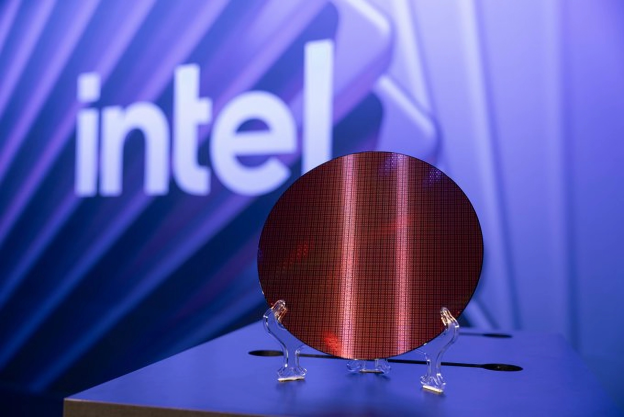
(Photo credit: Intel)