[News] Samsung Reportedly Eyes Over 10% Output Increase for 2nm Exynos 2700 to Revive Non-Memory Business
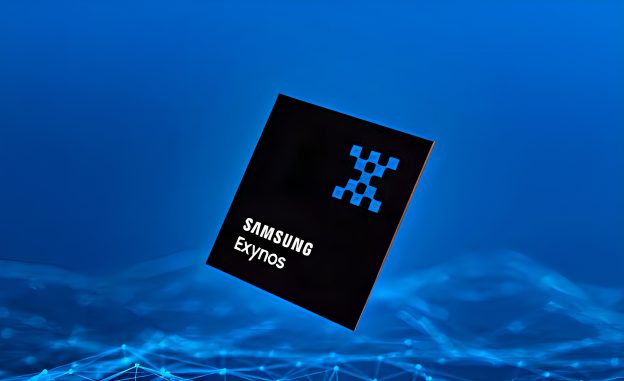
Samsung Electronics is preparing to expand the use of its in-house processors in its next-generation flagship smartphones. According to Chosun Biz, Samsung reportedly began wafer production for Exynos 2700 earlier this month, with output potentially increasing by more than 10% compared with Exynos 2600.
Exynos 2700 is expected to power the Galaxy S27 series in 2027, primarily in the standard and Plus models, with possible adoption in a new Pro variant. However, the flagship Ultra model is increasingly likely to rely exclusively on Qualcomm’s Snapdragon processor. Chosun Biz notes that Samsung also considered using Exynos 2700 in the Ultra, but production capacity and component procurement costs remain key considerations, leaving the final chip configurations undecided.
Expanding Exynos shipments could support a recovery in Samsung’s non-memory semiconductor business, benefiting both its System LSI and foundry divisions. However, the extent of that recovery will largely depend on Exynos 2700’s mass-production yields and adoption across the Galaxy S27 lineup, the report notes.
Second-Generation 2nm Process Targets Performance and Efficiency Gains
Exynos 2700 is expected to adopt Samsung Foundry’s second-generation 2nm process, SF2P, which targets 12% higher performance, 25% lower power consumption, and an 8% reduction in chip area compared with the first-generation SF2 used for Exynos 2600, according to Chosun Biz.
Exynos 2700 is also reportedly the first chip to enter mass production using Samsung’s SF2P process. According to The Bell, Samsung has shared production plans with key partners, although initial wafer starts remain limited. Chosun Biz adds that industry observers are also watching whether Exynos 2700’s multicore performance can compete with Qualcomm’s next-generation Snapdragon processor.
Exynos Expansion Could Support Samsung’s Foundry and System LSI Recovery
Samsung Foundry’s 4nm production lines are reportedly operating at nearly full capacity, while the company continues seeking additional customers for its 5nm process. Demonstrating stable mass production of Exynos 2700 using its second-generation 2nm process could also strengthen Samsung’s prospects of securing orders from external fabless chipmakers, Chosun Biz points out.
However, expanding Exynos supply may not necessarily lead to higher profitability. Greater adoption of in-house processors could reduce chip procurement costs for Samsung’s Mobile eXperience (MX) division, but manufacturing yields, production costs, and packaging expenses remain key considerations, Chosun Biz notes.
Rising memory prices are adding further pressure to smartphone manufacturing costs. According to TrendForce, mobile DRAM prices are expected to continue rising in 4Q26, albeit at a slower pace, as suppliers shift capacity toward higher-margin server products. With costs climbing, the price competitiveness of Samsung’s in-house processors is becoming increasingly important, Chosun Biz notes.
Read more
- [News] Samsung Reportedly Plans Exynos Auto Exit, Prioritizes Mobile APs, Image Sensors for 2027 System LSI Turnaround
- AI Server Demand Sustains Memory Contract Price Increases in 4Q26, While Consumer-Side Pressure Persists, Says TrendForce
(Photo credit: Samsung)