[News] NAND Spot Prices Reverse Course, Sliding 20% in 2 Weeks amid Weak Consumer Demand, YMTC Competition
After rising alongside DRAM amid the AI boom, NAND prices are showing signs of a reversal. According to Seoul Economic Daily, citing Bank of America, NAND is particularly vulnerable to a correction in the current memory upcycle, with 512Gb wafer prices plunging 32% QoQ to $14.30 and 1Tb products sliding 19% to $24.90.
TrendForce points to similar weakness, noting that GPU shortages have dampened enterprise SSD demand in China. With PC and smartphone demand expected to soften further in 2027, Chinese traders are rushing to trim inventories, driving NAND spot prices down 20% in just two weeks, according to TrendForce.
Seoul Economic Daily also points to weakening consumer demand as a key drag on NAND spot prices. As rising memory costs drive up smartphone prices, consumers are delaying upgrades, while handset makers are trimming base storage capacities or charging more for higher-end configurations, further dampening NAND demand.
PCs face similar headwinds. Higher component costs are discouraging purchases, prompting manufacturers to focus on clearing inventories rather than placing new memory orders, the report adds.
Yet the weakness is far from uniform, at least in the short-term. While consumer NAND faces mounting pressure, AI data center spending by U.S. tech giants continues to underpin enterprise SSD demand. Reflecting this divergence, TrendForce forecasts enterprise SSD contract prices to rise 15%–20% QoQ in 4Q26, even as commodity NAND spot prices slide.
YMTC Could Add to NAND Pricing Pressure
Beyond sluggish consumer demand, intensifying Chinese competition is adding to NAND’s woes, according to Seoul Economic Daily. Unlike the DRAM market, dominated by Samsung Electronics, SK hynix and Micron, NAND has a more crowded supplier landscape, including Japan’s Kioxia, U.S.-based SanDisk and China’s YMTC.
As highlighted by the report, YMTC is gaining traction in the price-sensitive consumer segment. As global rivals shift toward higher-margin products, Chinese suppliers are expanding commodity NAND output, fueling competition and putting further pressure on prices, the report notes.
Beyond aggressive pricing, YMTC is also advancing its expansion plans on multiple fronts. According to Bloomberg, the chipmaker is eyeing a Shanghai IPO as early as 1Q27.
Meanwhile, Reuters reports that YMTC aims to source up to 70% of equipment for its planned fourth fab from domestic suppliers, up from just over 50% at its third plant, which is set to begin operations later this year. The new Wuhan facility is expected to produce NAND chips with more than 300 layers, marking the company’s most advanced generation yet, Reuters adds.
NAND Price Weakness Could Spill into 1Q27 Contracts
With consumer demand weakening and spot prices sliding, attention is turning to whether the downturn will spill into contract pricing. According to Seoul Economic Daily, citing Bank of America, smartphone and PC NAND contract prices could fall 5%–10% QoQ in 1Q27, while enterprise-grade products may hold steady or edge higher.
While the spot-market decline has yet to trigger broad contract price cuts, buyers could gain greater bargaining power in early-2027 negotiations, the report suggests.
TrendForce echoes these concerns, warning that sluggish demand outside North America and across consumer markets could constrain suppliers’ pricing power in 2027. YMTC’s aggressive push to gain bit market share may further limit price increases in early 2027, while persistently elevated prices risk dampening subsequent orders.
Read more
- [Insights] Memory Spot Price Update: NAND Price Cuts Accelerate Amid China Phone Discounts; 512Gb TLC Sink 9.19%
- [News] SK hynix Eyes EUV-Driven 6F² Scaling, Keeps 4F² and 3D DRAM in Play as Micron Holds Back
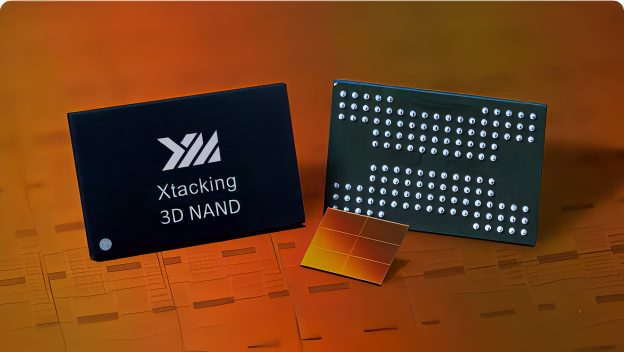
(Photo credit: YMTC)