[News] Foundry Price Hikes of 10% to Over 20% Reportedly Loom in 2027; ASIC Firms Face Margin Pressure
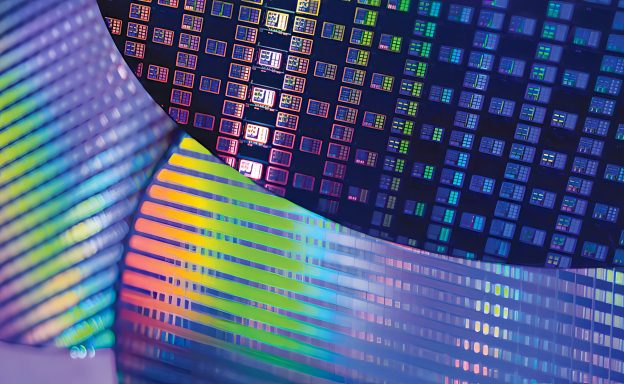
Taiwanese IC design companies may face mounting cost pressures as foundries, including TSMC, are expected to raise wafer prices in 2027. According to Commercial Times, some companies have reportedly received notices of foundry price hikes ranging from 10% to more than 20%, potentially reducing their gross margins by 4 to 5 percentage points if the higher costs are not passed on to customers. While packaging and testing prices have yet to rise further, potential increases remain another source of cost uncertainty.
As noted by the report, IC design companies are preparing to renegotiate prices with customers. With higher foundry costs expected to take effect in the first quarter of 2027, the impact is likely to be reflected in finished product shipments around March or April. Companies aim to finalize price adjustments before April to avoid absorbing the additional costs. Beyond pricing negotiations, the report notes that profitability will also depend on their ability to increase the share of customized products in their portfolios.
Price negotiations are particularly challenging for lower-end products. As the report points out, Taiwanese IC design companies say they cannot absorb all the additional foundry costs. If customers refuse to share the burden, some are prepared to withdraw from certain products or markets and redirect wafer capacity toward higher-value offerings, including advanced ASICs and customized power management ICs (PMICs).
The broader foundry market is also facing upward pricing pressure. TrendForce forecasts price increases of 5% to 20% in 2027, driven by rising manufacturing costs and tight capacity amid strong AI and server demand. TrendForce expects more pronounced increases for 8-inch wafers, while 12-inch pricing will vary by process node. Similar pressures are emerging among Chinese foundries. According to TrendForce, Hua Hong and Nexchip are operating at high utilization rates, with some 8-inch capacity fully utilized. Nexchip customers have also accepted price increases for the first half of 2027.
ASIC Firms Face Margin Pressure Despite Strong Revenue Growth
Against this backdrop of rising manufacturing costs, Taiwanese ASIC design firms are reporting strong revenue growth, although profitability remains a concern. According to Commercial Times, GUC announced on November 16 that its October consolidated revenue reached NT$8.433 billion, up 126.9% YoY. Net income surged 156.4% YoY to NT$500 million, with monthly earnings per share (EPS) reaching NT$3.73. Its third-quarter EPS stood at NT$16.95.
Looking ahead, institutional investors cited by Economic Daily News expect projects including Google’s Axion CPU, Microsoft’s Cobalt 200 and Horizon, and Tesla’s AI5 to continue contributing revenue in 2027. They also anticipate strong momentum from GUC’s AWS Graviton CPU project in 2028, as Graviton expands beyond Trainium AI servers into general-purpose servers, potentially boosting shipments.
Meanwhile, Alchip reported strong October results, with consolidated revenue surging 515.81% YoY to NT$10.26 billion. Net income rose 66.69% YoY to NT$873 million, while monthly EPS climbed 56.39% to NT$10.11. Third-quarter EPS reached NT$37.68, according to Commercial Times. Looking ahead, Economic Daily News, citing institutional investors, reports that Alchip expects continued revenue growth in 2027, driven by rising shipments of its 3nm AI accelerator and a new U.S. customer project. The latter is expected to contribute revenue starting in the second quarter, totaling approximately US$1 billion for the year.
However, strong revenue growth has not translated into higher gross margins for either company. According to Commercial Times, Alchip’s third-quarter gross margin fell to 18.04%, its lowest level in nearly three years, while GUC’s gross margin declined to 20.6% from 24.2% a year earlier.
Read more
- [News] IC Designers Reportedly Eye 5% to Double-Digit Price Hikes in Late 2026–Early 2027 as Foundry Costs Rise
- [News] NVIDIA Order Cuts Reportedly Loom Amid Huang Controversy; AMD, ASIC Rivals May Gain TSMC Capacity
(Photo credit: TSMC)