[News] SEMI Sees Americas Fab Tool Spending Double to US$40.6B by 2029 as TSMC, Intel, Micron, Samsung Expand
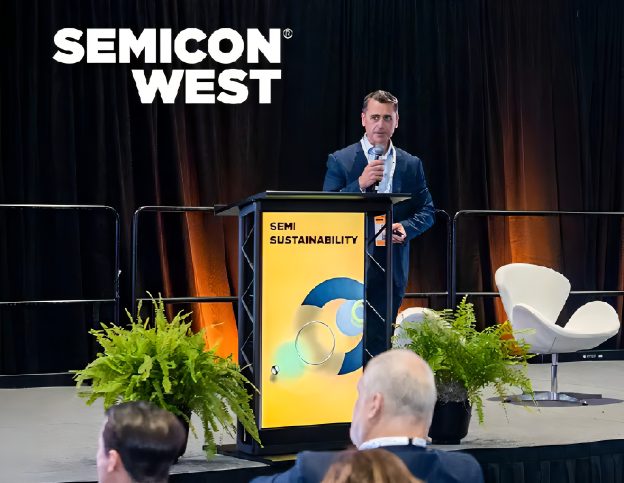
AI-driven demand is translating into substantial semiconductor manufacturing investments, fueling growth in equipment spending, fab construction, and production capacity worldwide. At SEMICON West 2026, SEMI Senior Director Clark Tseng noted that the industry is expected to maintain strong expansion momentum over the next several years. According to TechNews, SEMI’s latest report projects global 300mm fab equipment spending to rise from US$113 billion in 2025 to approximately US$149 billion in 2026, up 31% YoY, before reaching US$227 billion in 2029. Annual spending is expected to maintain double-digit percentage growth throughout 2026–2029.
Tseng emphasized that the growth is not merely a short-term AI-driven spending surge, but reflects sustained investment in advanced logic, advanced memory, and other 300mm wafer technologies, with equipment spending gradually translating into expanded manufacturing capacity, the report adds.
SEMI expects construction to begin on 20 new 300mm fabs or production lines worldwide in 2026 and another 18 in 2027, excluding R&D-only facilities. Of these, three and four, respectively, are expected to be in the U.S. Meanwhile, the number of facilities beginning operations or producing their first wafers is projected to rise from 13 in 2026 to 23 in 2027. Global fab construction spending is also forecast to increase from nearly US$48 billion in 2026 to US$63 billion in 2027 and US$68 billion in 2028, according to the report.
U.S. Fab Investment Drives Equipment Spending Growth
The U.S. is a major focus of this expansion. As TechNews highlights, SEMI expects 300mm fab equipment spending in the Americas, largely driven by U.S. investment, to more than double from US$18.1 billion in 2026 to US$40.6 billion in 2029. Key projects include advanced logic and foundry expansions by Intel, TSMC, and Samsung, DRAM capacity additions by Micron, and increased analog and embedded processing capacity from Texas Instruments.
At SEMICON West, SEMI Americas President Joe Stockunas noted that semiconductor-related investments across the U.S. have exceeded US$800 billion, with more than US$200 billion concentrated in Phoenix. Including other local projects, investment in the city could approach US$350 billion. TSMC’s continued expansion is also helping drive the region’s semiconductor industry growth, the report indicates.
Intel, Micron Urge Taiwanese Suppliers to Invest in U.S.
As U.S. fab investments accelerate, chipmakers are also seeking to strengthen local supply chains. According to The Elec, Intel and Micron urged Taiwanese semiconductor materials, components, and equipment suppliers to establish operations in the U.S. at the SEMICON West 2026 Taiwan Supply Chain Forum.
Intel and Micron are expanding their U.S. manufacturing footprints. Intel is investing more than US$100 billion across Arizona, New Mexico, Oregon, and Ohio, while Micron plans to invest over US$250 billion by 2035, as reported by The Elec.
Taiwanese suppliers are also stepping up their U.S. expansion. According to Mirror Daily, Topco Scientific, which brought 21 suppliers to SEMICON West 2026, has established service operations in Phoenix, Arizona, and Dallas, Texas, and is considering a new location in Boise, Idaho, to support Micron’s growing memory manufacturing operations.
South Korean suppliers are also expanding their U.S. presence. According to another report from The Elec, ENF Technology has begun supplying Samsung’s Taylor fab from its Texas operations, while Dongjin Semichem aims to begin mass production of semiconductor chemicals at its Texas facilities by the end of 2026. Meanwhile, other Korean companies, including Hanmi Semiconductor, are showcasing advanced packaging equipment at SEMICON West.
Read more
- [News] TSMC’s $2B Silicon Interposer Deal with GF Could Fast-Track U.S. Packaging to 1H28, Free Up Fab Capacity
- [News] Chip Equipment Component Lead Times Reportedly Double, Stretching to 40 Months as Price Pressures Mount
(Photo credit: SEMI)