[News] Chip Equipment Component Lead Times Reportedly Double, Stretching to 40 Months as Price Pressures Mount
AI-driven semiconductor investment is putting growing pressure on another part of the supply chain: the components needed to build chipmaking equipment. According to ETNews, lead times for essential semiconductor equipment components have reportedly more than doubled, leaving equipment makers struggling to secure supplies. The shortage is largely being driven by surging demand. Rapid growth in AI and infrastructure investment has sharply increased demand for AI chips and memory, in turn boosting demand for the equipment and components needed to manufacture them.
The delays extend across different parts of the equipment supply chain. Parts for deposition equipment that once took four months to arrive can now take as long as 10 months. A semiconductor laser processing equipment maker reportedly faces lead times of up to 40 months for key Japanese components, with suppliers unable to accelerate deliveries even at a premium due to limited capacity. Meanwhile, a packaging equipment maker says parts that previously took four months to arrive now require at least six months, about 50% longer than usual.
The component crunch comes as delivery times for semiconductor manufacturing equipment itself are also stretching. ETNews reported in July that lead times for major equipment from Applied Materials, ASML, Lam Research, Tokyo Electron, and KLA had increased by 1.5 to two times, with equipment that previously took about six months to arrive taking as long as a year.
The report notes that prolonged equipment deliveries and component shortages could ultimately delay semiconductor manufacturing investments worldwide, including Samsung Electronics’ and SK hynix’s major expansion projects in Pyeongtaek and Yongin.
Limited Capacity and Supply Chain Constraints Deepen Shortages
Limited production capacity is making the supply crunch difficult to resolve quickly. ETNews notes that component suppliers did not expand capacity sufficiently ahead of the AI boom, leaving them unable to keep pace with surging demand. At the same time, uncertainty over how long the AI-driven semiconductor supercycle will last is making suppliers hesitant to invest aggressively in additional capacity, with Japanese component makers reportedly particularly cautious about expansion, the report adds.
Alternative sourcing options are also constrained by U.S.-China trade tensions. The report notes that equipment makers are cautious about using Chinese-made components in critical equipment for advanced chip production, amid concerns that doing so could potentially lead to restrictions on transactions with U.S. semiconductor manufacturers.
Component Shortages Put Upward Pressure on Prices
The tight supply is also putting upward pressure on component prices. According to Guandian, citing a China Securities research report, the global semiconductor equipment component market is experiencing a broad-based wave of price increases. China Securities estimates that expanding component production lines can take 12 to 18 months. The report points to lengthening lead times at overseas suppliers of valves and piping, ceramic components, RF power supplies, and gas boxes.
Read more
- [News] Chip Equipment Crunch Reportedly Pushes Lead Times to 24 Months, Giving China’s Toolmakers a Boost
- [News] Hanmi Semiconductor Reportedly Receives Terafab Packaging Tool Order, Eyes HBM TC Bonder Supply
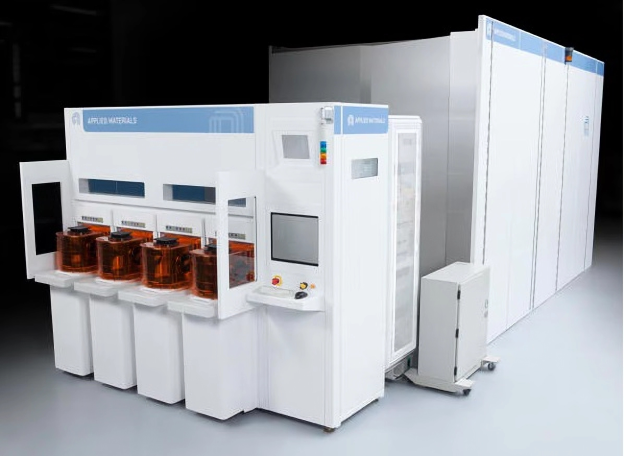
(Photo credit: Applied Materials)