[News] SK hynix Reportedly Plans New HBM4 Equipment Orders, with P&T6 in Focus Despite NVIDIA Uncertainty

Amid uncertainties surrounding NVIDIA’s leadership upheaval, the chipmaker’s main HBM supplier, SK hynix, continues to ramp up HBM4 expansion. According to ETNews, the company is reportedly in talks with suppliers over new orders for HBM4 manufacturing equipment, with back-end processes such as bonding, cutting and inspection tools taking center stage.
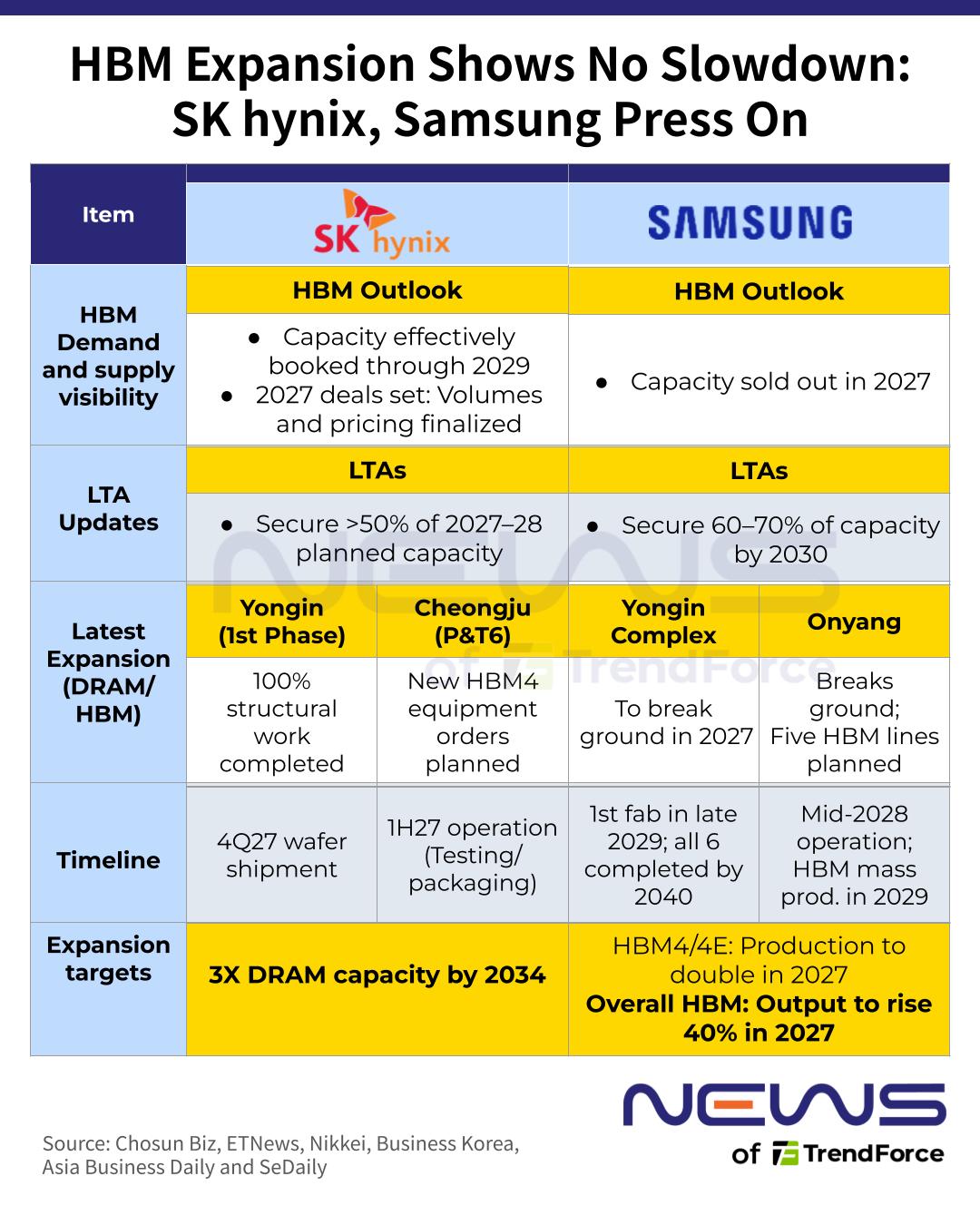
The report suggests that SK hynix plans to focus its investment on HBM packaging and testing facilities, with full-scale operations slated to begin in the first half of 2027. Sources cited by ETNews noted that SK hynix’s P&T6 facility in Cheongju is seen as the likely site for the expansion. According to ETNews, operating the facility at full capacity could lift HBM output by more than 20,000 wafers per month.
As reported by The Bell in June, P&T6 is being converted from SK hynix’s former M8 plant, vacated after its system semiconductor operations moved to China in 2020. While the aging facility was no longer suitable for advanced DRAM or NAND production, surging HBM demand has given it a new lease on life as a dedicated HBM packaging and testing hub, the report suggests.
In addition to the reported P&T 6 expansion, SK hynix is also building P&T7 to further expand its backend processing capacity, according to The Bell. The large-scale project reportedly involves an investment of approximately KRW 19 trillion, covering fab construction and equipment installation. The facility will house wafer testing and wafer-level packaging lines, with the former scheduled for completion in October next year and the latter targeted for February 2028, The Bell reported.
On the other hand, SK hynix also announced further investment to support chip suppliers. As noted by Reuters, the memory maker announced Monday that it will invest KRW 1.4 trillion ($1.05 billion) over the next five years to bolster domestic suppliers of semiconductor materials, components and equipment, as part of efforts to strengthen its supply chain.
Google’s TPU Boom Opens a New HBM Growth Front Beyond NVIDIA
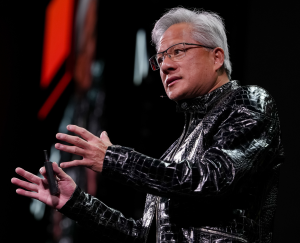
As ETNews notes, SK hynix’s P&T6 expansion reflects its push to keep pace with surging HBM4 demand. While NVIDIA’s leadership shake-up following Jensen Huang’s exit could disrupt its AI chip business, rising orders from AMD and Broadcom may help cushion the impact, the report suggests. SK hynix indicated during its October earnings call that its DRAM and HBM capacity was effectively sold out through 2029.
Against this backdrop, Global Economic identifies Google’s expanding TPU business as an increasingly important battleground for South Korea’s HBM giants. Samsung is reportedly leveraging its strategic alliance with Broadcom, Google’s longtime chip design partner. The two companies signed a major MOU in July covering a turnkey solution spanning HBM supply, foundry manufacturing and advanced 2.5D packaging, with industry estimates putting their cumulative collaboration at up to $200 billion by 2030.
SK hynix, meanwhile, is seeking a foothold in Google’s next-generation TPU projects, reportedly proposing a joint effort to design customized HBM with the tech giant, according to Global Economic.
The competitive landscape could shift further as Google deepens its collaboration with Taiwan’s MediaTek on the more affordable TPU 8t. Global Economic suggests the partnership signals a move away from a procurement model dominated by Broadcom, potentially opening the door for Samsung and SK hynix to negotiate HBM pricing and specifications directly with Google.
The stakes could grow considerably as Google’s TPU shipments accelerate. According to analyst Ming-Chi Kuo, shipments are projected to nearly double from 8–9 million units in 2027 to 16–18 million in 2029, despite supply chain constraints. Th forecast underscores why securing a foothold in Google’s TPU ecosystem could become increasingly important for HBM suppliers seeking growth beyond NVIDIA.
Read more
- [News] NVIDIA without Huang: New Tests Ahead as AMD Eyes Gains, TSMC Finds a Cushion and Memory Giants Weigh Risks
- [News] SK hynix Eyes EUV-Driven 6F² Scaling, Keeps 4F² and 3D DRAM in Play as Micron Holds Back
(Photo credit: SK hynix)