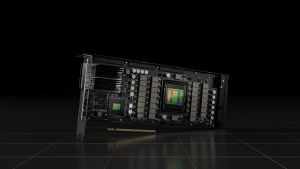
[News] Intel Scores Dual Foundry Wins: Microsoft Named First EMIB Customer; Tan Says 18A Secures First External Deal
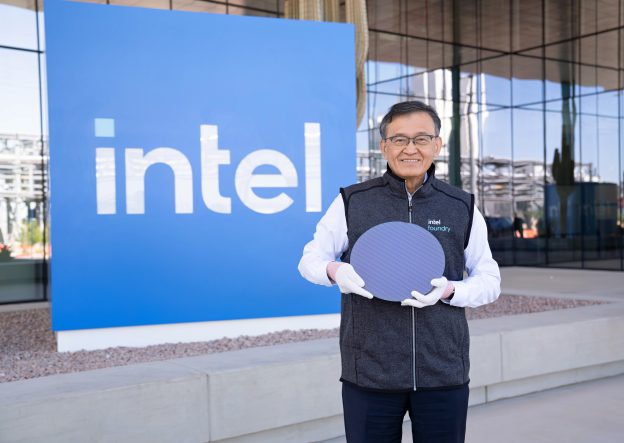
As AI-driven demand stretches TSMC’s CoWoS capacity, Intel has landed another major deal as hyperscalers seek alternative suppliers. According to Intel, Microsoft has become the first publicly announced customer to adopt Intel Foundry’s Embedded Multi-die Interconnect Bridge (EMIB) technology for its custom Azure silicon, marking a significant win for the company’s advanced packaging business.
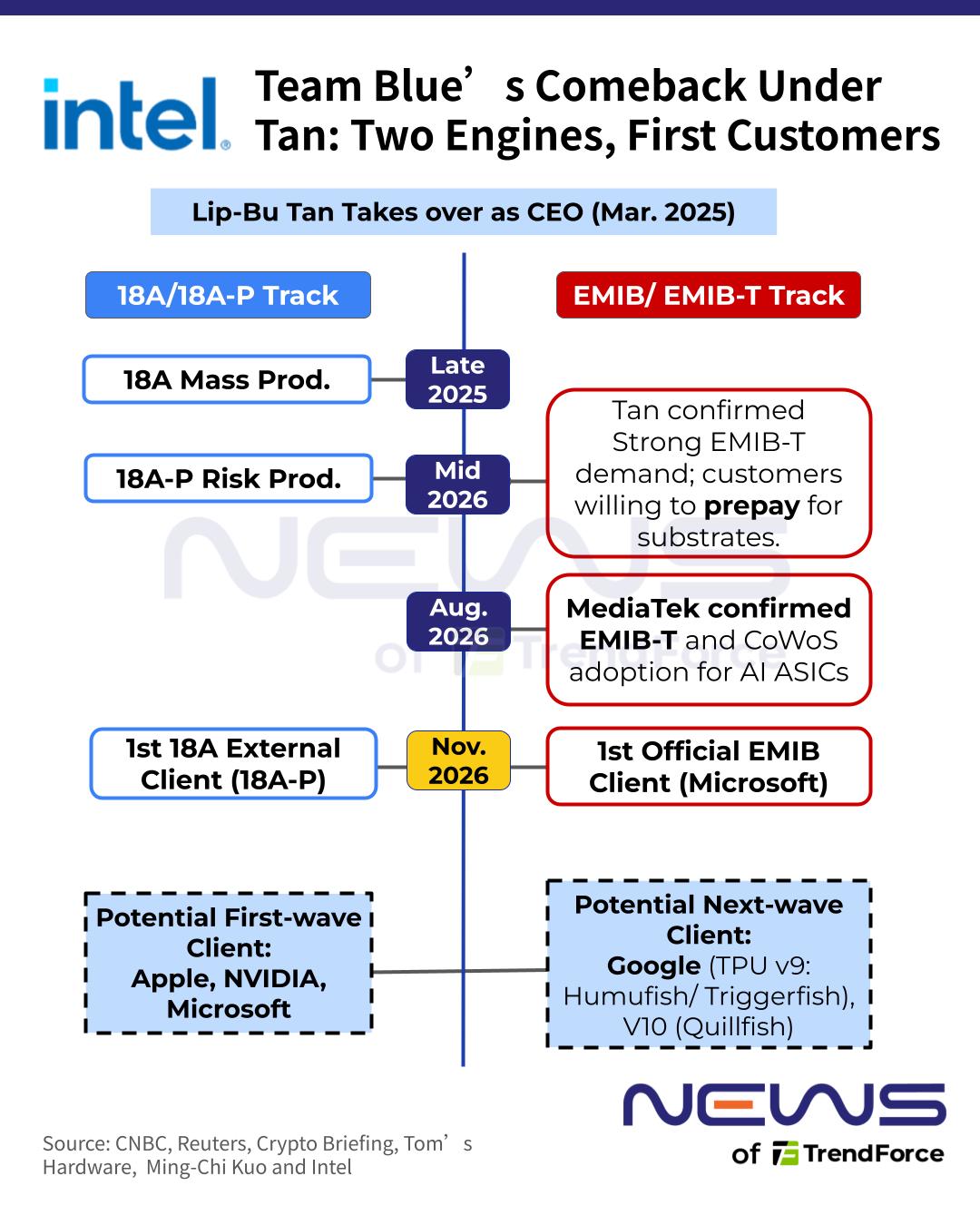
The Microsoft deal comes as Intel marks another major milestone in its foundry turnaround. Speaking at the TomorrowX Summit, CEO Lip-Bu Tan revealed that the chipmaker had secured its first external customer for its 18A process, according to CNBC. “18A, I’m involved in production and we just signed the first customer,” Tan said, though he stopped short of identifying the client.
According to Crypto Briefing, Tan also noted that 18A yields have reportedly climbed to 70%. When Tan took the helm in March 2025, 18A yields were described as “horrible,” the report adds.
The breakthrough gives fresh momentum to Intel’s five-year effort to challenge foundry giant TSMC. As CNBC reports, Intel technology chief Pushkar Ranade later clarified on X that the deal involves 18A-P, an upgraded process node that entered risk production in June.
With the customer’s identity still under wraps, speculation is mounting over who may be behind the deal. CNBC points to reports in May suggesting Intel and Apple were nearing a chip manufacturing agreement, while Creative Strategies analyst Ben Bajarin, cited by the report, named NVIDIA, Apple, and major hyperscalers developing custom silicon as potential candidates.
Microsoft itself may also be in the running. Beyond the newly announced EMIB collaboration, which includes a multi-year Xeon supply agreement and joint work on Compute Express Link (CXL), the software giant has previously been linked to Intel’s 18A process. In October 2025, Tom’s Hardware, citing SemiAccurate, reported that Intel had secured a deal to manufacture Microsoft’s next-generation Maia 2 AI processor using its 18A/18A-P technology.
Intel’s EMIB Gains Momentum Beyond Microsoft
And Microsoft may not be the only major customer turning to Intel’s packaging technology. According to Liberty Times, Taiwan’s MediaTek is reportedly tapping EMIB-T for Google’s ninth-generation TPU, with mass production targeted for 1Q28.
Adding to speculation over Intel’s growing role in Google’s AI chip roadmap, analyst Ming-Chi Kuo noted on X that MediaTek is expected to be the exclusive supplier of Google’s v9 (Humufish and Triggerfish) and v10 (Quillfish) TPUs, with all new generations from v9 onward reportedly set to adopt EMIB-T.
Read more
- [Breaking] Google Reportedly Sticks With Intel EMIB-T Despite 35% Substrate Yields as HumuFish Schedule Tightens
- [News] Intel Cuts Intel 3, 18A Costs by ~15%, ~40% Since 1Q; Confirms Nova Lake to Use 18A-P
(Photo credit: Intel)