[News] Musk Targets Terafab Chip Volume Production in 3Q28, First SRAM Test Chip by Mid-2027
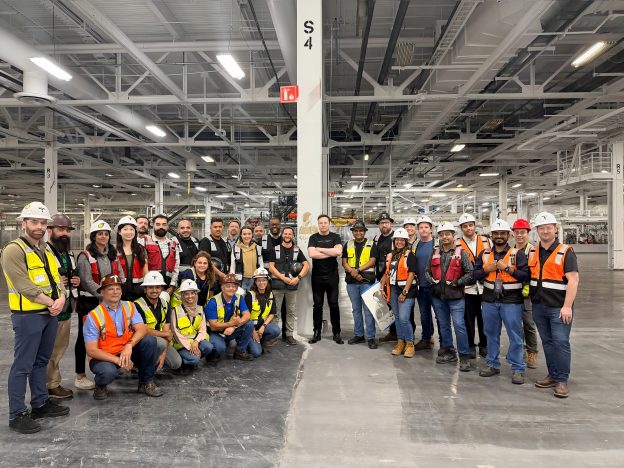
Elon Musk is pushing ahead with an aggressive timeline for his semiconductor manufacturing venture, Terafab. According to Reuters, Musk said during a SpaceX conference call that Terafab is targeting volume production in 3Q28, though he acknowledged that either 3Q or 4Q remains possible. He described the timeline as “very aggressive,” given that advanced logic chip fabs in the U.S. typically take three years or more to build.
Before reaching volume production, Terafab aims to produce its first functional test chip using static random-access memory (SRAM) circuits around May or June 2027 at its Austin research facility, Reuters reports. Chipmakers commonly use SRAM circuits to develop and refine manufacturing processes.
Equipment Supply Remains a Key Challenge
Securing advanced chipmaking equipment remains a major hurdle for Terafab, particularly from Dutch lithography giant ASML and U.S. suppliers such as Applied Materials and KLA, Reuters notes. Asked whether SpaceX had ordered extreme ultraviolet (EUV) lithography systems from ASML, the sole manufacturer of such machines, Musk did not answer directly. Instead, he reiterated the aggressive timeline and thanked ASML and other suppliers for accelerating equipment deliveries to help Terafab meet its targets, according to the report.
Supply constraints could further complicate the schedule. According to Reuters, ASML expects demand to outstrip supply through 2028 despite plans to expand EUV production capacity. Industry observers note that ASML itself has become a bottleneck, with discussions over future orders extending into 2029 and 2030.
Korean Suppliers Eye Opportunities Despite Pricing Pressure
Meanwhile, Tesla and SpaceX are reportedly in talks with South Korean semiconductor materials, components, and equipment suppliers to establish Terafab’s supply chain, according to The Elec. Several companies have signed nondisclosure agreements (NDAs), with discussions advancing to specific products. While talks reportedly span nearly every product category Korean companies could supply, HPSP and Hanmi Semiconductor remain the only two Korean equipment suppliers publicly linked to Terafab, The Elec adds.
However, pricing remains a challenge. According to The Elec, industry sources say Tesla and SpaceX do not source from Chinese companies, making Korean manufacturers an attractive alternative to more expensive Japanese suppliers. Yet Terafab is reportedly seeking prices even lower than those offered by Chinese competitors.
TSMC Partnership Uncertain as Intel Remains Involved
Beyond equipment sourcing, questions remain over Terafab’s potential manufacturing partners. TSMC Chairman and CEO C.C. Wei confirmed ongoing discussions but stressed that any fab involving TSMC must be operated by the company. This contrasts with Musk’s October 7 remarks that his companies would build and operate Terafab, potentially allowing TSMC to sublease space without an operational role, according to Reuters.
Meanwhile, Intel CEO Lip-Bu Tan said the company would remain involved in Terafab, Reuters reports, citing Bloomberg.
Read more
- [News] TSMC Sends Team to Assess Texas Fab Expansion, Confirms Terafab Talks but Insists on Operating Control
- [News] Korean Chip Engineer Accuses Tesla of Pressuring Samsung on AI5/AI6 Pricing, Poaching Talent for Terafab
(Photo credit: Elon Musk on X)