US-Iran tensions and sticky inflation prompted the Fed to hike rates, weakening consumer electronics demand and softening low-end MLCC prices, while AI high-end specs stay firm due to tight supply; Mu...
Server DRAM prices rise due to strong demand and HBM capacity crowding out. Buyers shift to mid-to-low capacity modules to optimize costs, while high-capacity stock flows to OEMs, helping suppliers ma...
The supply gap in consumer DRAM persists, keeping prices on a slight upward trend. However, as buyer cost tolerance reaches its limit, contract price growth is moderating. With suppliers locking in mo...
High prices of prime wafers are squeezing profits for module makers. Coupled with sluggish end-user demand, manufacturers are shifting to purchase downgraded materials to supply secondary markets and...
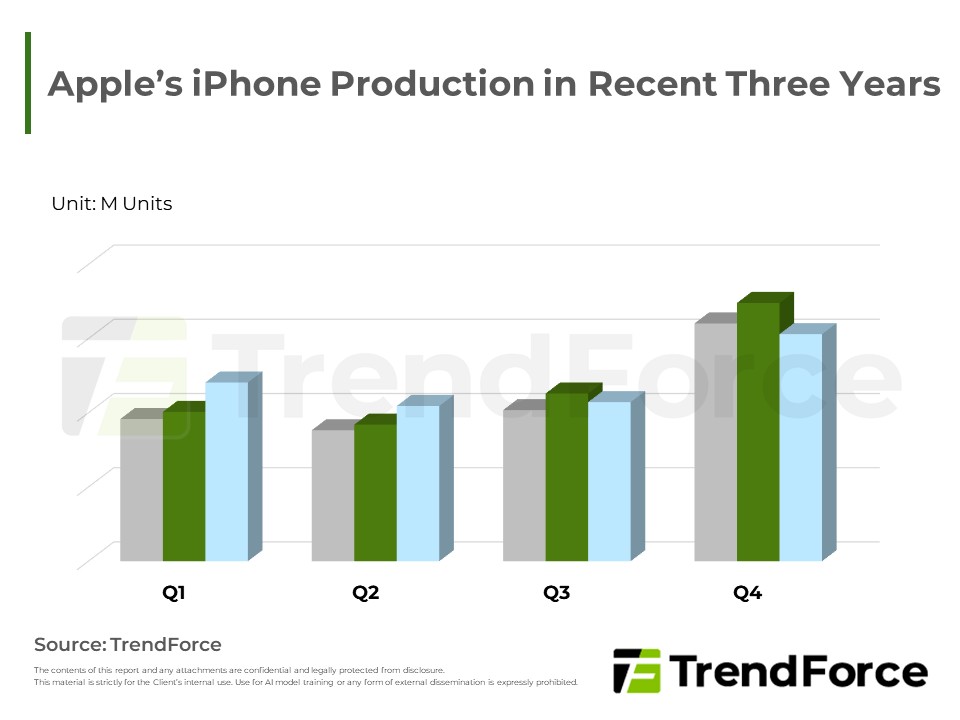
Rising memory costs triggered premature purchases as consumers sought to beat price hikes, driving a short-term rebound in smartphone production and prompting TrendForce to revise its full-year output...
Rising chipmaker quotes and modest shipment recovery drive PC DRAM contract price increases. Facing future supply contraction, OEMs aggressively build inventory while adopting component downgrades to...
Memory chip prices hitting record highs have damaged customer demand, causing contract price growth to narrow significantly. Suppliers aim to sustain high unit prices by diverting capacity to enterpri...

PC DRAM quarterly contract prices continue to rise, though gains have narrowed, leaving buyers and sellers locked in a stalemate. Crowded out by server demand, original manufacturers' future supp...
Japanese and Korean makers shifting consumer MLCC capacity to AI create supply gaps, benefiting Taiwan and China suppliers with spillover orders and channel price hikes, while consumer demand stays pr...
AI capacity crowding tightens high-end MLCC supply while consumer demand weakens under inflation. Channels and some Taiwanese/Chinese makers selectively raise prices, yet Japanese and Korean firms hol...

Server DRAM contract prices continue to rise due to supply deficits and depleted manufacturer inventories. Although premium pricing on high-capacity modules and shifts in processor configurations have...

Driven by strong low-cost laptop sales and active server restocking, supplier inventories remain low, maintaining strong pricing power. PC DRAM contract prices grew significantly in Q2, with the upwar...
AI demand tightens high-end MLCC supply, prompting agents to raise prices and strengthening supplier bargaining power. Geopolitical risks and inflation raise costs, curbing ODM leverage, with high-end...

Since 2H25, accelerated AI infrastructure buildouts by CSPs have surged HBM demand and crowded out conventional DRAM capacity, pushing the broader DRAM market into shortage. Constrained by annual pric...

The NAND market polarizes as robust cloud and enterprise demand drives LTA reforms and squeezes consumer bargaining power, while weak smartphone and spot markets, coupled with aggressive vendor expans...