[News] Apple Gets Serious About Cooling: iPhone 18 Pro Rethinks A20 Pro Packaging, Triples Vapor Chamber Size
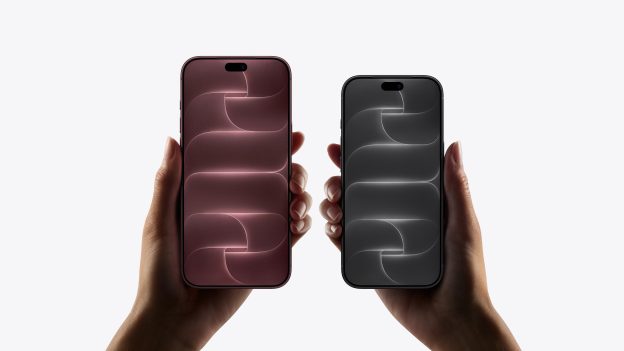
Smartphone workloads are becoming increasingly demanding, pushing Apple to rethink how it manages heat and sustained performance. According to Zhu Shi’s column on TechNews, a closer look at the iPhone 18 Pro’s thermal design suggests Apple is taking an increasingly pragmatic approach to cooling. In the past, Apple’s approach to iPhone performance relied heavily on the energy-efficiency advantages of Apple Silicon. As long as its chips delivered strong performance while consuming relatively little power, Apple could maintain a thin and light design without extensive cooling hardware.
That approach worked well when mobile processors primarily handled short bursts of intensive workloads. But today’s iPhones are expected to run AAA games, edit ProRes video, and handle on-device language models and generative AI. These tasks can require sustained high performance for several minutes or longer, making peak performance less meaningful if overheating forces the chip to throttle after only a few minutes.
That shift began to take shape with the iPhone 17 Pro. TechNews notes that Apple introduced its first in-house-designed vapor chamber, using deionized water to help dissipate heat from the A19 Pro. The iPhone 18 Pro takes that approach a step further, extending thermal optimization beyond the cooling system and into the chip package itself.
iPhone 18 Pro Redesigns Chip Packaging to Improve Cooling
The A20 Pro in the iPhone 18 Pro not only moves to a 2nm node but also features a redesigned chip package. Notably, the new design places the die and memory side by side, keeping the memory out of the main thermal path and allowing the A20 Pro to make more direct contact with the vapor chamber.
At the same time, the iPhone 18 Pro triples the vapor chamber’s heat-dissipation surface area. Apple says the overall thermal design, combined with the A20 Pro, can deliver up to 40% higher sustained performance than the iPhone 17 Pro. The company specifically cites prolonged high-intensity gaming and larger, more complex on-device AI models as key use cases for the upgraded cooling system.
Apple is taking a similar approach with its first foldable iPhone. The iPhone Duo uses the same A20 Pro as the iPhone 18 Pro, paired with a custom vapor chamber and new chip packaging that connects the processor directly to the cooling system. Thermal management is particularly challenging in a foldable design. As Mac Observer notes, the iPhone Duo measures just 5.2 mm thick when unfolded, leaving limited vertical space for heat-spreading hardware.
Apple may not be alone in bringing thermal considerations into chip packaging. According to Wccftech, leaked images of Qualcomm’s Snapdragon 8 Elite Gen 6 Pro suggest the chip could move away from traditional package-on-package (PoP) packaging, placing DRAM alongside the SoC rather than on top of it. The reported design would also add a heatsink to improve heat dissipation.
Read more
- iPhone Duo Expected to Capture Nearly 25% of Foldable Smartphone Market in 2026 as Apple’s First Foldable Drives Supply Chain Upgrades, Says TrendForce
- [News] Inside iPhone 18 Pro and Duo: A20 Pro Debuts as Apple’s 1st 2nm Chip in iPhone, Duo Trades RAM for Storage
(Photo credit: Apple)