
Global new energy and electric vehicle markets maintain growth, while overall auto sales are weighed down by weak ICE demand and China’s slowdown. In China, severe supply‑demand imbalance and margin p...
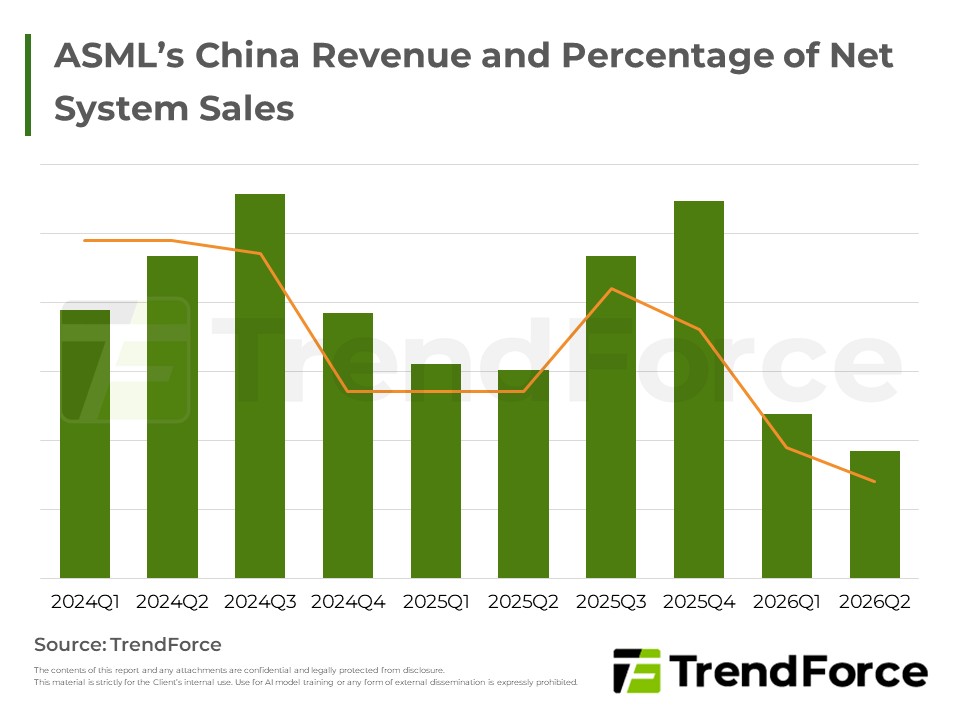
China's lithography drive poses little threat to ASML, but other mature-node process gains erode Western and Japanese rivals' revenue.
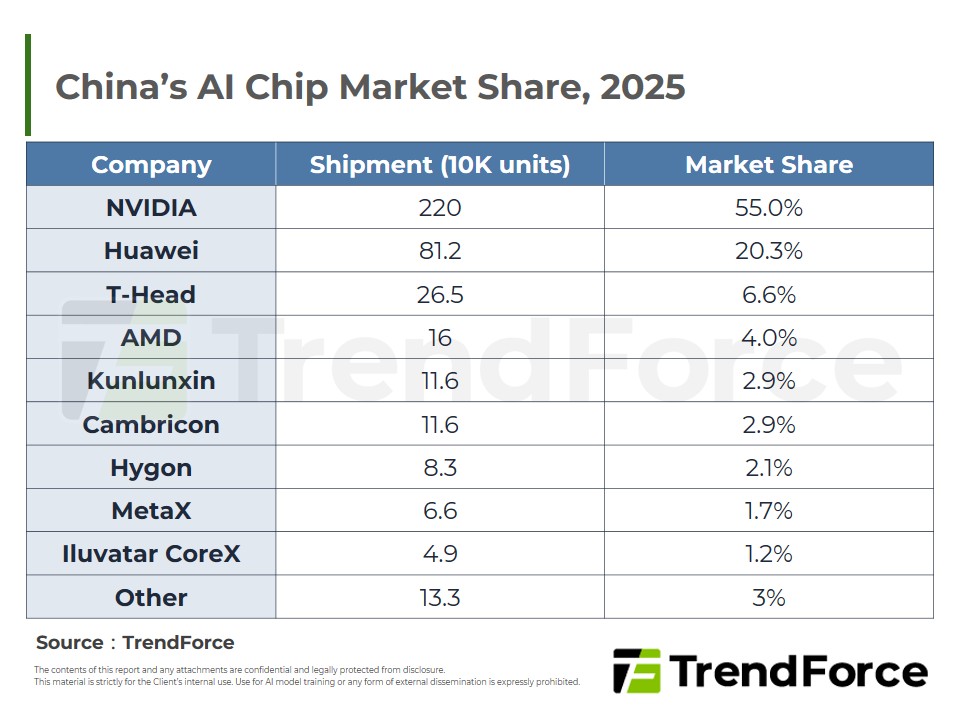
The AI industry entered a critical transition period in 2025, marked by the rapid expansion of LLMs and the large-scale commercialization of AI applications. For China’s semiconductor industry, this r...
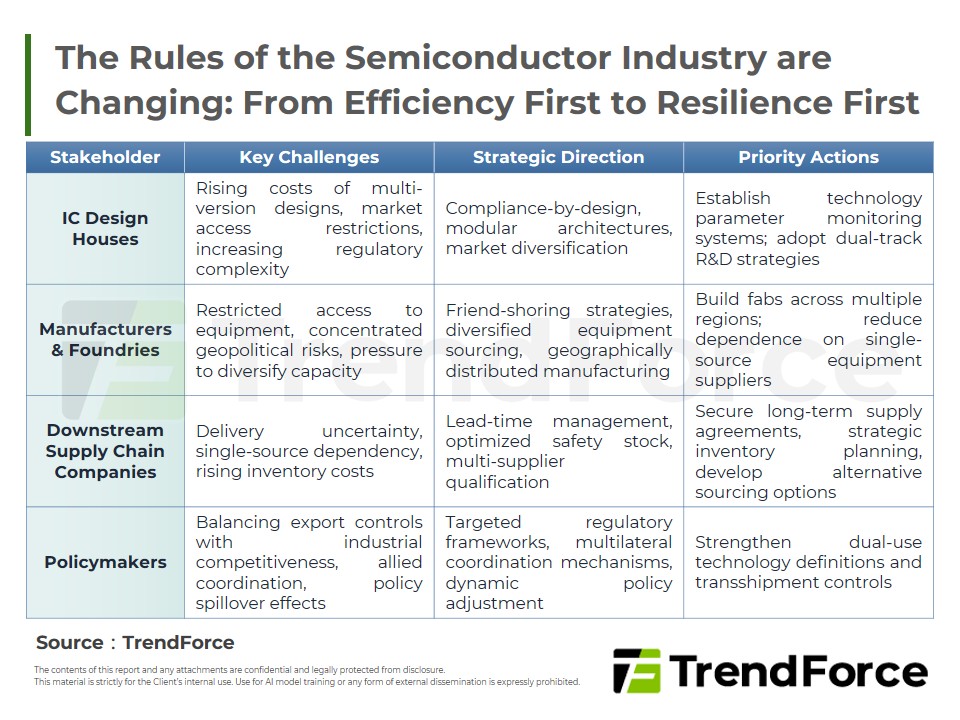
Global semiconductor supply chains are shifting from efficiency to resilience amid escalating export controls, driving manufacturing diversification. Governments race to subsidize domestic ecosystems,...
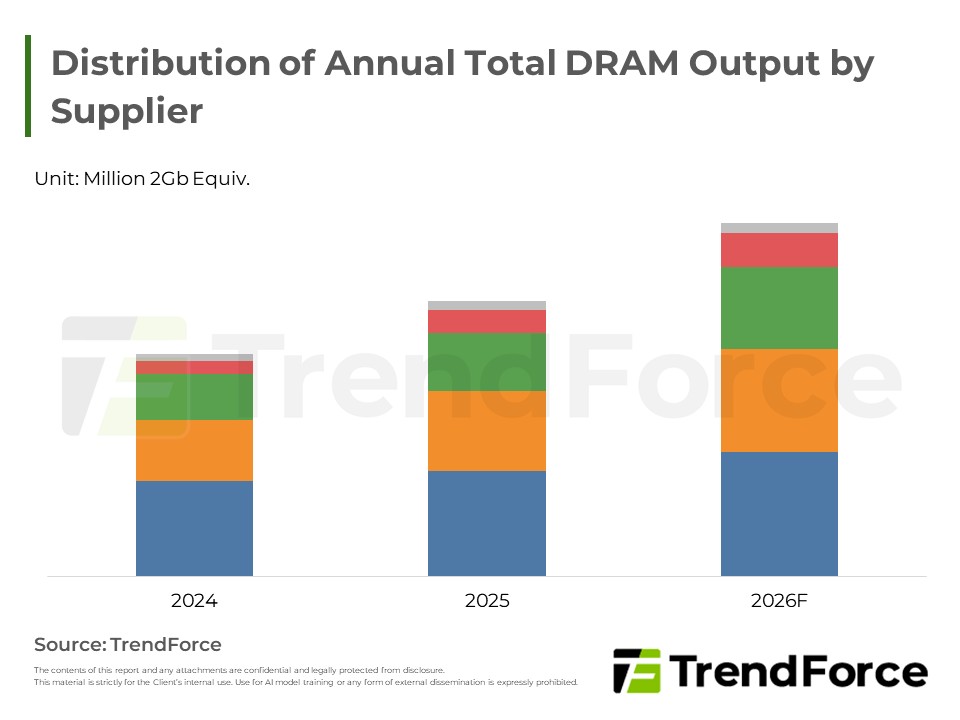
DRAM contract and spot markets maintain upward trends. While CXMT's re-inclusion in the US military list inflicts no immediate sanctions, Entity List restrictions continue to hinder its advanced...

Micron heavily invested in its US facility to launch advanced-node production of legacy memory, targeting long-lifecycle sectors like automotive and aerospace. Echoing US manufacturing policies, this...
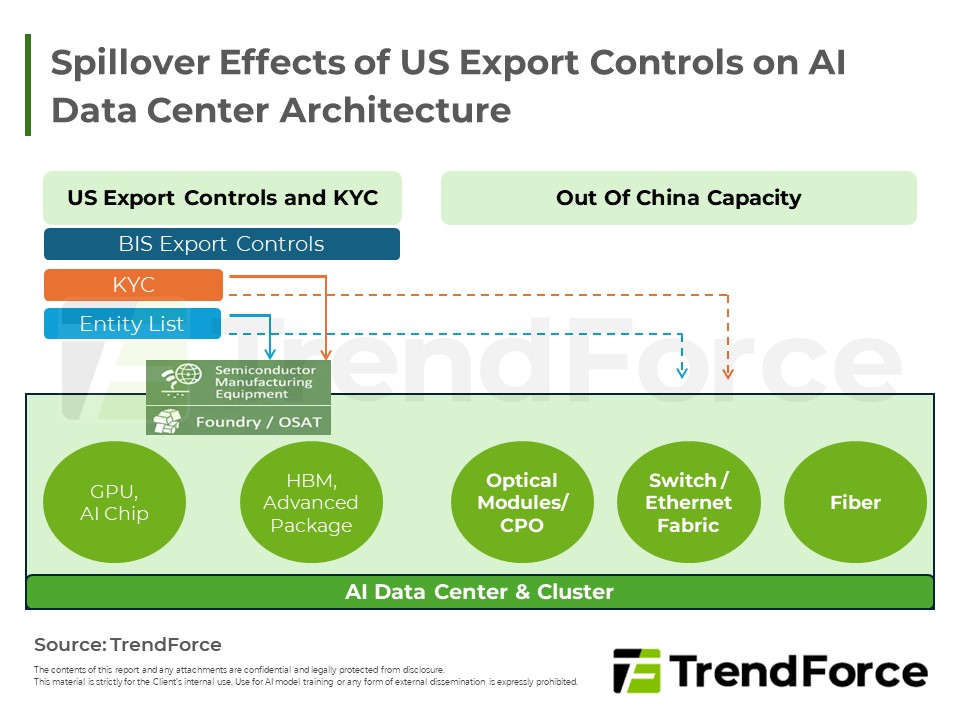
As U.S. export controls extend from chips to AI infrastructure, the traditional optical interconnect industry is undergoing supply chain restructuring. While optical modules are not subject to blanket...
Q2 MLCC prices remain stable overall, with minor adjustments for high-cap special specs; supply stability prioritized. Global tensions raise costs, AI demand strong vs. mild consumer electronics.

Tariff shifts and geopolitical conflicts drive up supply chain costs. While AI infrastructure remains robust, PC and smartphone markets weaken under rising component prices. This polarization, coupled...
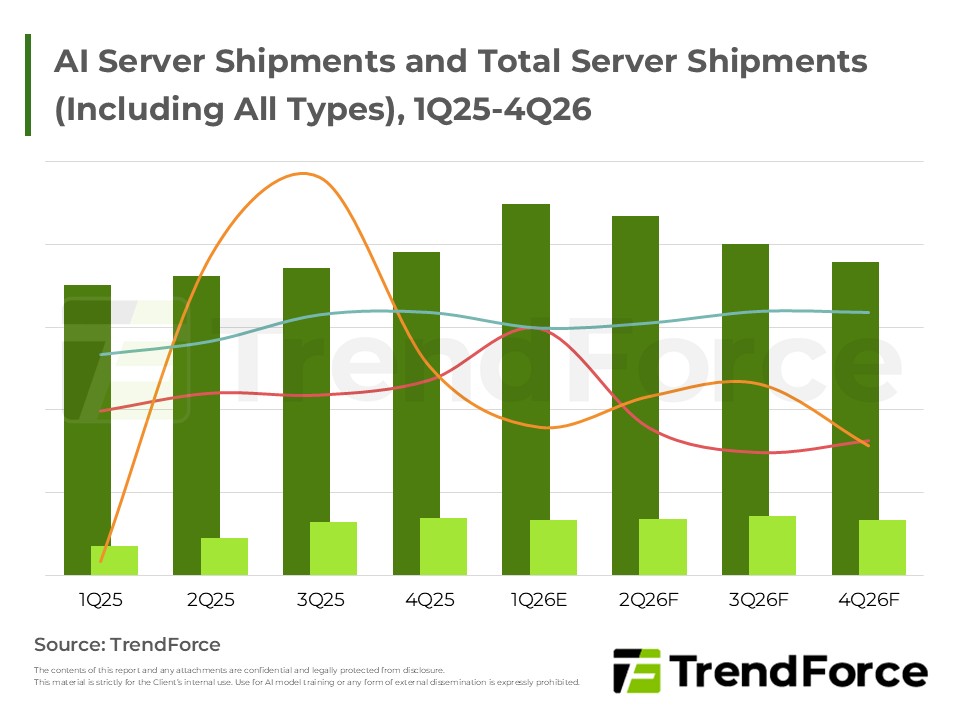
Looking ahead to 2026, major global CSPs are significantly increasing capital expenditures on AI infrastructure, focusing on high-density GPU racks and self-developed ASICs to optimize costs. North Am...
Raw material prices rise due to energy transition, geopolitics, tariffs, and AI demand, impacting electronic costs. AI infrastructure orders are strong, boosting high-end MLCC shipments, but ICT order...

Benefiting from demand for AI data centers and devices, operations show strong recovery momentum. However, geopolitical risks and high inflation may raise supply chain costs, weakening consumer power...
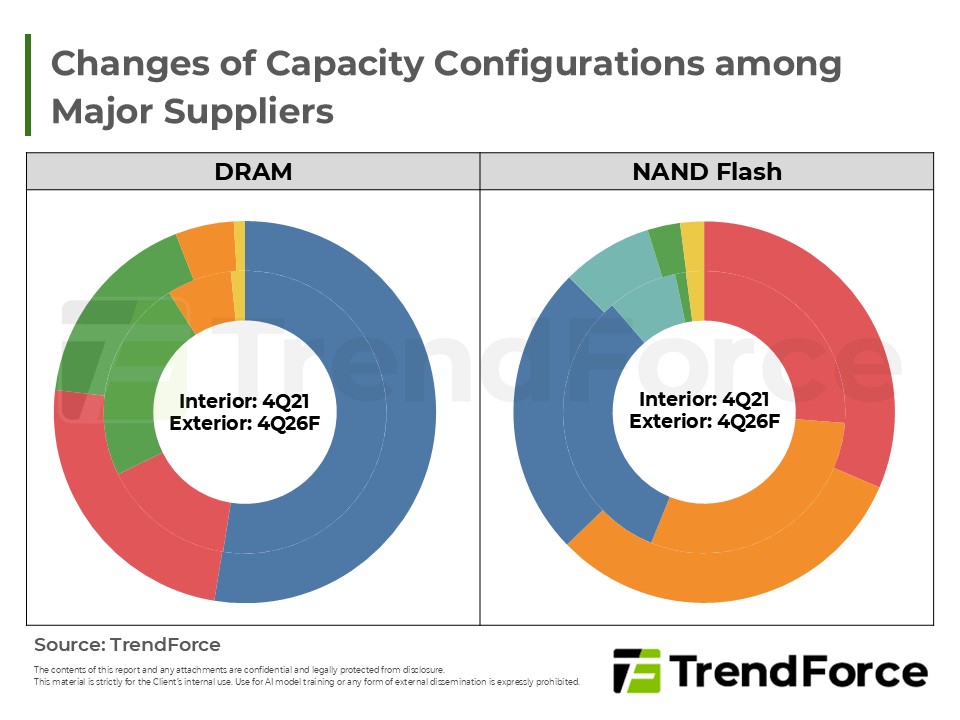
US memory tariffs face cost hurdles. Asian makers stay low intention due to high expenses; costs will likely shift to buyers, favoring friend-shoring over US expansion.

In 2026, benefiting from strong capital expenditure by North American CSPs, AI server shipments and revenue share are expected to rise significantly, driving supply chain expansion and the development...
Global political and economic turbulence marks the start of 2026. CES unveils the era of Embodied AI. While AI thrives in robotics and autonomous driving, consumer electronics grapple with tariffs and...