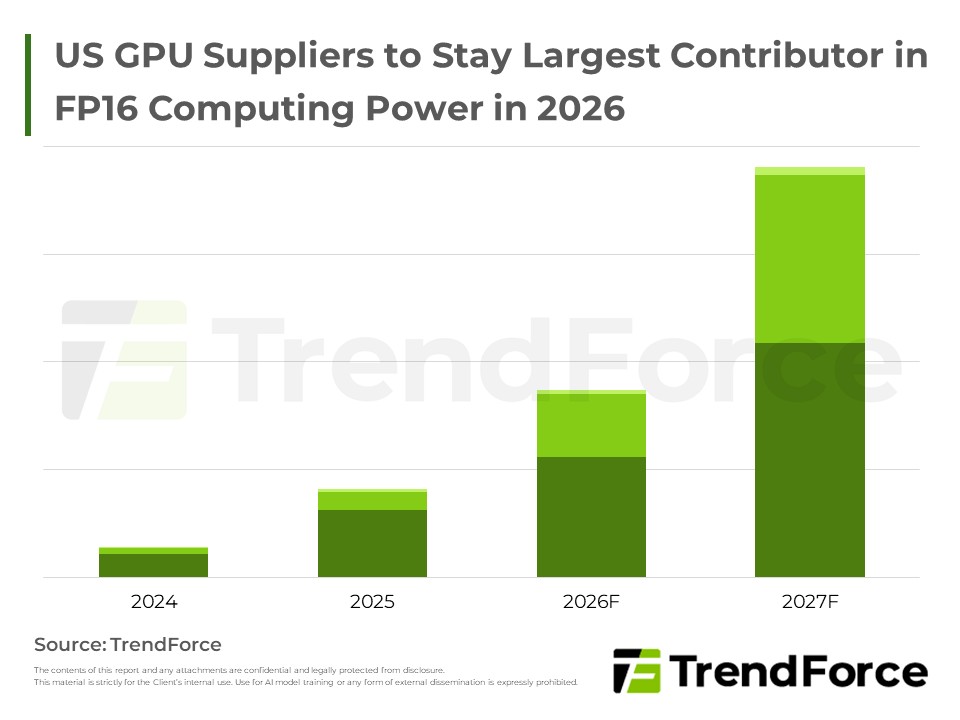
AI compute surges in 2026 as ASICs rise, NVIDIA defends its ecosystem, and bandwidth becomes the bottleneck.

JEDEC-defined SPHBM4 frees HBM from the interposer, trading latency and power for cost and layout.
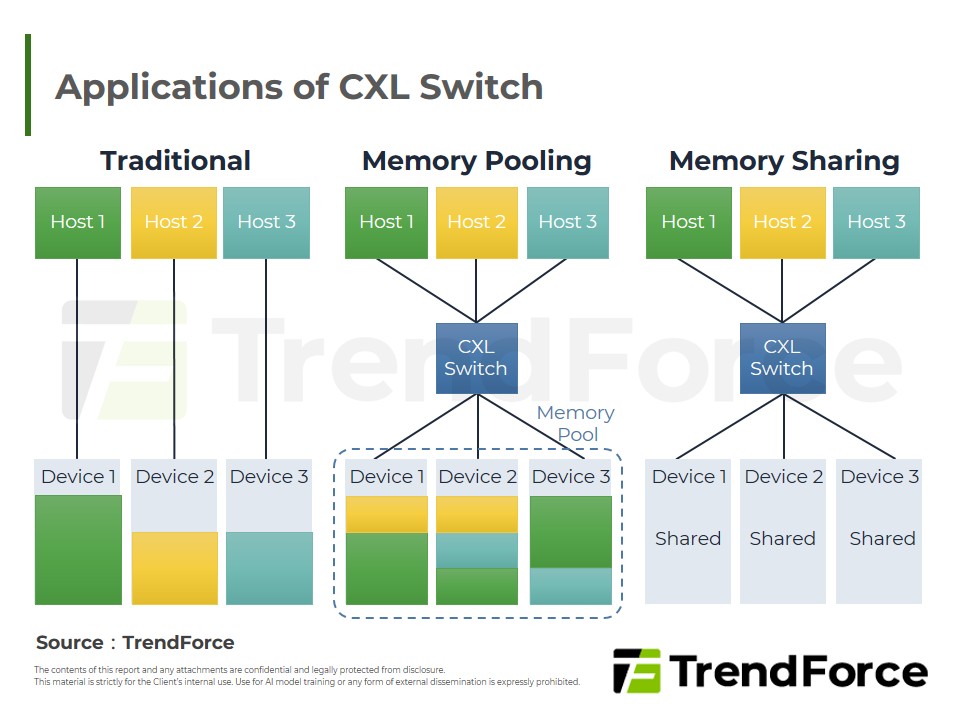
During the first half of 2026, surging demand for KV Cache coupled with constrained memory supply resulted in severe memory bottlenecks. To resolve the KV Cache bottlenecks, industry players are seeki...

This report first explains why HBM plays a key role in the evolution of LLM and AIGC applications. It then examines the HBM upgrade roadmap and explores how heterogeneous memory integration strategies...
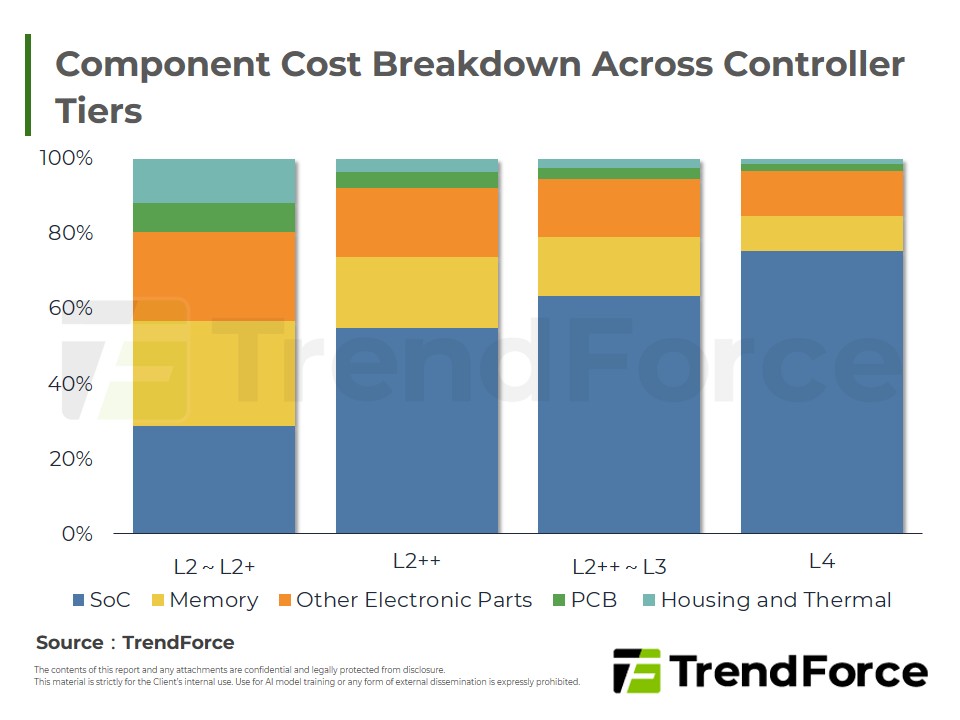
Vision-language-action (VLA) models have become central to the evolution of autonomous driving. Their key advantage lies in significantly improving generalization in long-tail scenarios while enhancin...
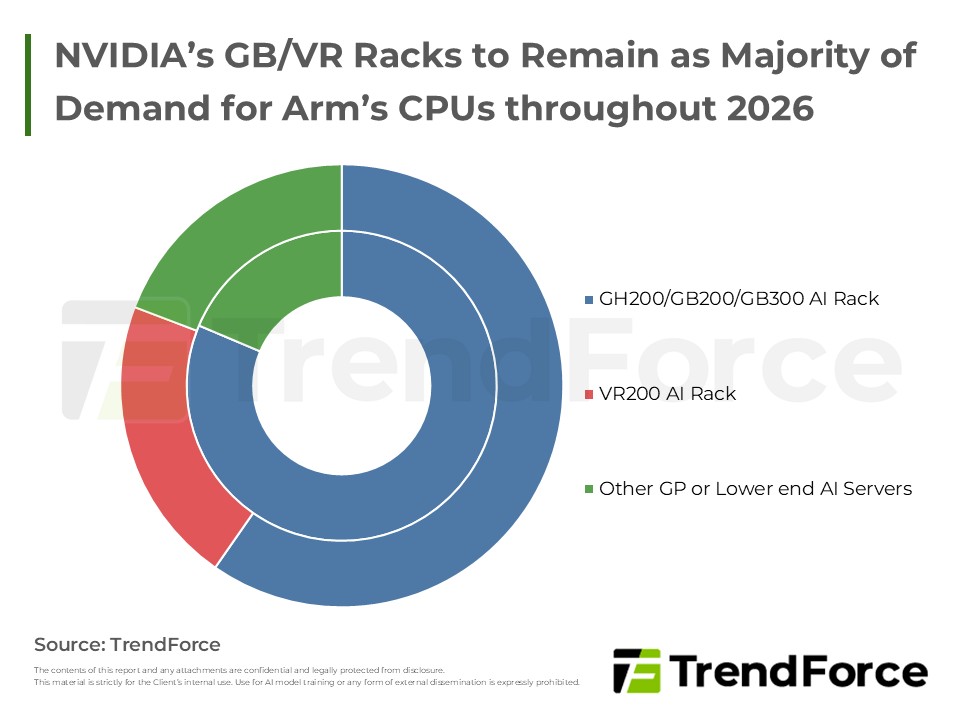
Arm's AGI CPU marks a strategic shift from IP licensor to platform provider, targeting AI data centers and accelerating Arm's gains against x86.

Driven by AI and general servers, industry value grows robustly. Despite geopolitical risks and custom chip delays, NVIDIA and AMD's push for premium integrated racks significantly boosts average pric...
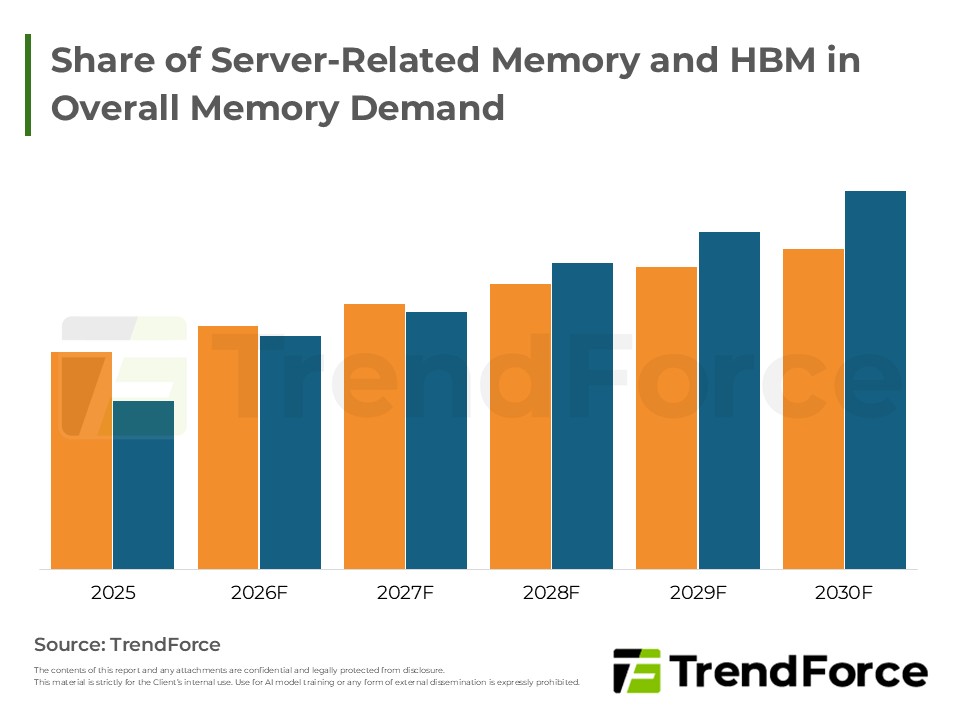
TurboQuant breaks language model memory bottlenecks via lossless dimensional compression, drastically boosting efficiency. Plummeting costs spark massive long-sequence application demand, comprehensiv...

AI compute faces memory bottlenecks. HBM's capacity/cost are limits. NAND Flash, via HBF (high-capacity near-memory) and AI SSD (intelligent preprocessing), optimizes AI architecture, redefining...