[News] FC-BGA Equipment Lead Times Reportedly Jump Fivefold to 30 Months amid Surging AI Substrate Demand
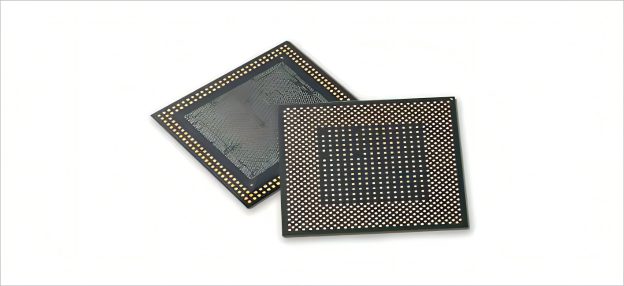
AI-driven demand for semiconductor substrates is straining manufacturing equipment supplies. According to ETNews, lead times for certain equipment used in flip-chip ball grid array (FC-BGA) substrate production have increased nearly fivefold, from around six months after order placement to approximately 30 months. As major substrate suppliers accelerate capacity expansion to meet growing demand from AI chipmakers, industry sources expect competition for equipment to remain intense until the current wave of FC-BGA investments is largely completed, the report adds.
To secure equipment ahead of competitors, some substrate manufacturers are submitting letters of intent (LOIs) before placing formal purchase orders, while others are making advance payments to equipment suppliers in an effort to accelerate deliveries, the report highlights. Despite these efforts, lead times remain lengthy, and only a limited number of manufacturers have secured supply commitments, the report notes.
Shortages of Japanese components are a key factor behind the prolonged equipment lead times. According to ETNews, advanced manufacturing equipment relies heavily on Japanese precision motors, drive components, servo motors, and controllers, but suppliers have limited production capacity. An FC-BGA bonding equipment manufacturer notes that previously readily available Japanese components now take around six months to procure.
AI Demand Drives Global FC-BGA Capacity Expansion
Major global FC-BGA substrate suppliers include Japan’s Ibiden and Shinko Electric Industries, as well as Taiwan’s Unimicron. In South Korea, Samsung Electro-Mechanics is a leading player, while Daeduck Electronics and LG Innotek are also actively pursuing opportunities in the market, the report adds.
AI chip developers are also taking a more direct role in securing substrate supplies. As Maeil Business Newspaper reported in October, NVIDIA aims to increase substrate production capacity for its products to 2.5 times current levels over the next three years through investment and supply arrangements with Samsung Electro-Mechanics, Ibiden, and Unimicron. Tesla is pursuing a similar strategy, reportedly committing KRW 1.1 trillion to Samsung Electro-Mechanics’ Sejong expansion in exchange for guaranteed FC-BGA supplies from 2029 to 2033 for AI chips used in its autonomous vehicles and Optimus robots, Maeil Business Newspaper reports.
Despite aggressive capacity expansion plans, high-end substrate supplies remain tight. According to Korea JoongAng Daily, Samsung Electro-Mechanics announced in September that it would invest a total of KRW 6.78 trillion (US$5 billion) to expand FC-BGA production in South Korea and Vietnam. The company plans to invest KRW 4.3 trillion in Sejong, targeting mass production in September 2028, and KRW 2.5 trillion in Vietnam, where new facilities are expected to begin operations in June 2030. Even with these expansions, the company expects capacity to fall short of total customer demand and is considering further investments.
Read more
- [News] Tesla Reportedly to Invest KRW 1.1T to Secure Samsung Electro-Mechanics Substrate Capacity; NVIDIA Also Commits
- [News] Unimicron Warns of IC Substrate Crunch: Up to 30-Month Equipment Lead Times, 20% Material Gap in 2027
(Photo credit: Samsung Electro-Mechanics)